Chinese electric car sparks unprecedented controversy

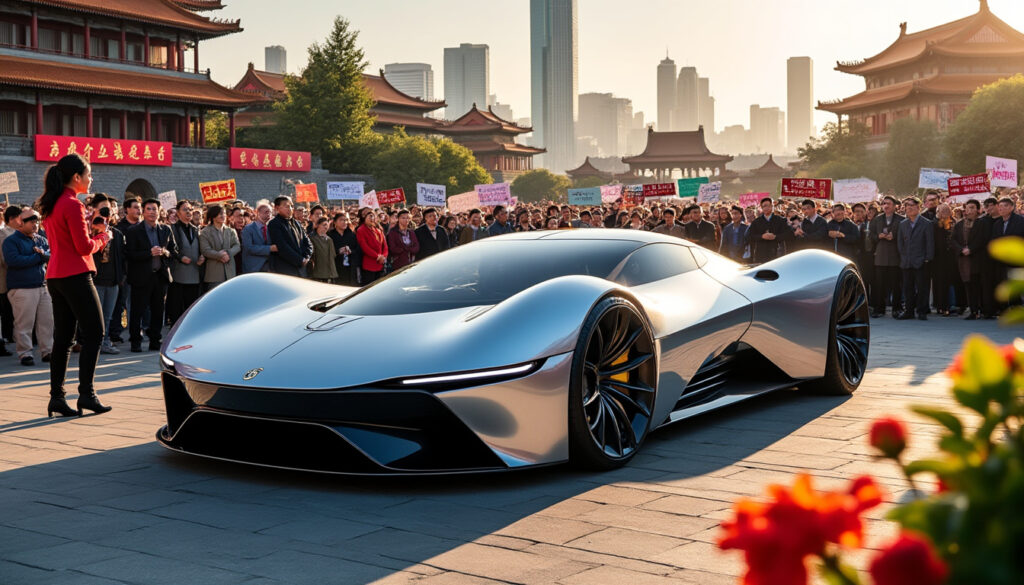

A media storm has hit the automotive industry with the Avatr 12, a premium Chinese electric sedan, becoming the center of a global controversy. Its announced aerodynamic drag coefficient has been called into question, raising deep concerns about the accuracy of the data communicated by the manufacturer. At the heart of this storm, the famous entrepreneur Elon Musk even decided to join the debate, elevating the issue to an unprecedented scale.
The Stakes of Aerodynamic Coefficient in Energy Efficiency
The drag coefficient (Cx) is a key element in assessing the energy efficiency of cars, especially for electric vehicles. A high value means increased energy consumption, while a low value signifies optimization. But why is this so crucial? Electric cars, where every watt counts, must have optimal efficiency, especially at high speeds, where up to 70% of energy is used to overcome air resistance. Optimizing this coefficient can lead to a significant improvement in range, a major concern for today's consumers.

The Controversy Surrounding the Avatr 12
The Avatr 12 has been praised by its manufacturer with an announced aerodynamic drag coefficient of 0.208, positioning it as one of the most efficient on the market. This claim was challenged when the influencer Zurich Bei Le Ye, with over a million followers, tested its model in a laboratory, revealing a measured coefficient of 0.281, nearly 30% higher than the figures put forward. This discovery sparked outrage.
- 🔍 Avatr 12: Announced Cx 0.208.
- 🛠️ Wind Tunnel Test: Measured result at 0.281.
- 📈 Energy Efficiency: Crucial importance for range.
Reactions and Implications for the Industry
In the face of this challenge, Avatr reacted vigorously, denouncing a "witch hunt" on social media. To protect its image, the manufacturer offered a bonus of 5 million yuan (approximately 610,000 euros) to anyone who could prove the blogger's allegations were true, while inviting Elon Musk to confirm the actual performance of the Avatr 12 during a future test.
| Model | Announced Cx | Market Position |
|---|---|---|
| XPeng Mona M0 | 0.194 | 1st place |
| YangWang U60 | 0.195 | 2nd position |
| Lucid Air | 0.197 | 3rd position |
| Mercedes EQS | 0.200 | 4th position |
| Avatr 12 | 0.208 (contested) | 5th position (tied) |
Behind the Controversy: Credibility Issues for Chinese Manufacturers
This issue does not only affect Avatr but raises broader questions about the credibility of the technical data of newcomers like NIO or XPeng in the global competition. Indeed, if doubts persist about the data provided by these companies, their image could suffer and jeopardize their rise in a market where transparency and reliability are essential.
Avatr's willingness to publicly challenge these accusations shows a commitment to transparency, but could it be enough to ease consumers’ concerns about the performance of their vehicles? In an industry where every detail matters, buyer trust is invaluable.
The Market: A Battlefield for Innovation
In 2025, emerging brands like BYD, Li Auto, or Renault are striving to make a name for themselves. Competition is fierce, and every little technical detail can influence purchasing decisions. As a result, rigor in communication becomes imperative. Consumers, faced with so many options, can quickly become skeptical if information falters.

- 🚗 Innovations: Expectations drop every day with brands like BMW, Volkswagen, and Citroën navigating this new ecosystem.
- 🔝 Credibility: A crucial issue for the future of Chinese manufacturers in the global market.
- ⚡ Future: Marketing promises must be accompanied by assessed and verifiable performances.
Si vous souhaitez lire d'autres articles tels que Chinese electric car sparks unprecedented controversy, consultez la catégorie Non classé.
-
Luna Kestrel says:
La polémique autour de l'Avatr 12 montre l'importance de la transparence dans l'industrie automobile.
-
L'importance de l'aérodynamisme dans les voitures électriques ne peut pas être sous-estimée.
Leave a Reply
Articles relatifs