translated_content>The future of the Western automotive industry: can it thrive without Chinese support?

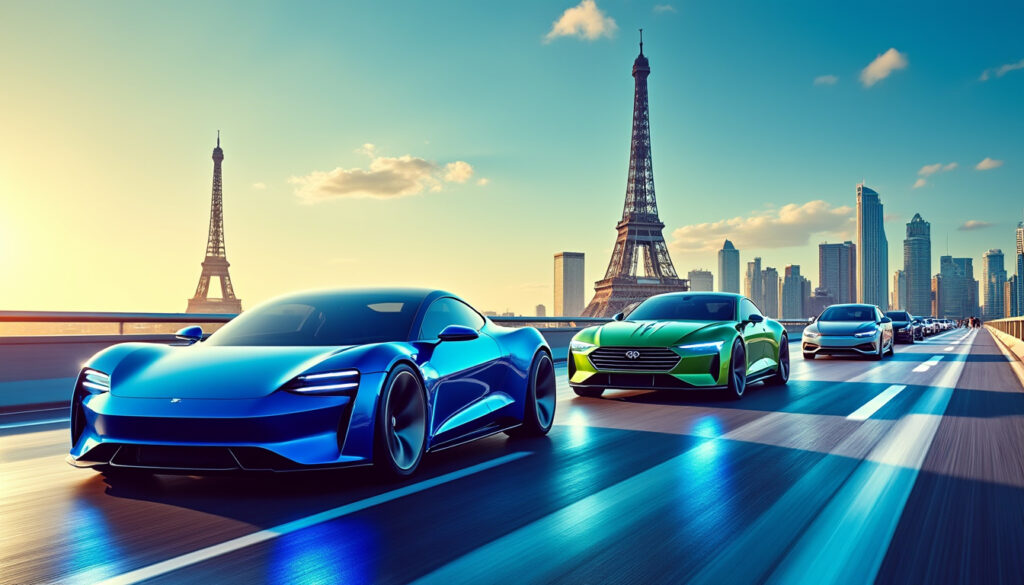

The Western automotive industry is undergoing an unprecedented upheaval, marked by a fierce competitive dynamic. While European and American brands once dominated the global market, the rise of Chinese manufacturers raises many questions. The crucial question arises: can the Western automotive industry truly thrive without Chinese support?
The radical metamorphosis of the automotive market
In the blink of an eye, roles have reversed. Western automakers, once technology mentors, now find themselves in a position of weakness against players like Tesla and Chinese brands such as BYD or SAIC. This inversion is particularly striking in the field of electric vehicles, where innovations from the Middle Kingdom are asserting themselves as global benchmarks.
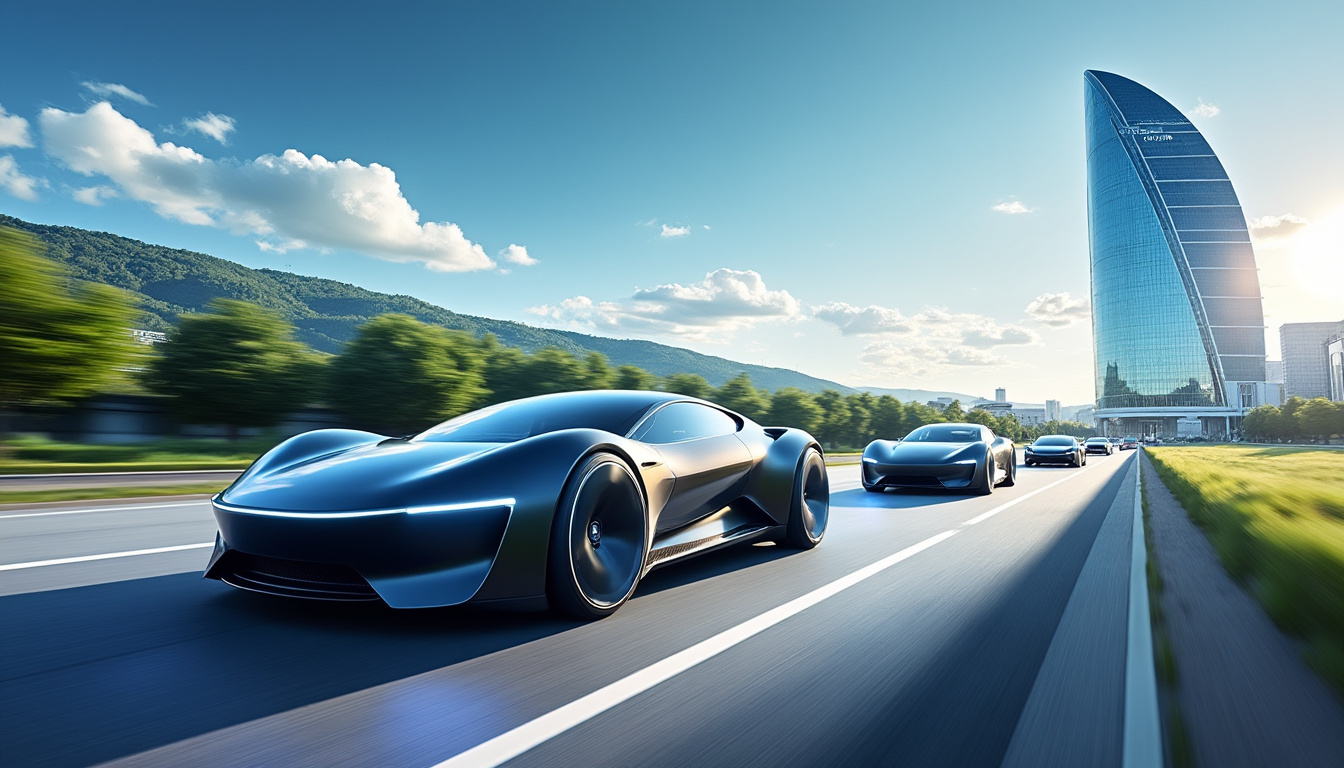
Disruptive innovations at the heart of change
Take the example of the Audi E5 Sportback. This model, specifically developed for the Chinese market, embodies a break both aesthetically and technologically. The impressive technical features include:
- 🔋 A range of 770 km thanks to state-of-the-art batteries.
- ⚡ 800-volt electrical architecture for ultra-fast charging.
- 🤖 Advanced driver assistance systems, integrated with artificial intelligence.
Impact of Chinese competition on Western giants
Brands such as Volkswagen, General Motors, and Toyota are already adapting their strategies in light of this rising power. Innovations emanating from these Chinese giants greatly influence the design of tomorrow's vehicles. Moreover, Toyota's booth at the Shanghai Auto Show unveiled an entire range of electric vehicles, proving an increasing integration of Chinese thinking and methods in the development of new products.
Adaptation of Western giants
This situation has initiated considerable changes, the effects of which are already visible in the market:
- 🌍 Rapid adoption of new technologies to remain competitive.
- 🤝 Strategic partnerships with Asian companies to secure supply and innovation.
- 🚘 Creation of models specifically tailored to local consumer needs.
The political and economic challenges to overcome
Despite the urgent need for adaptation, political barriers are hindering access to Chinese innovations in Western markets. Existing legislation, especially in the United States and Europe, imposes severe restrictions on components and technologies of Chinese origin, citing national security.
The consequences for the industry
These protectionist measures could have mixed effects. Indeed, while it seems to secure local markets, it risks hindering access to potentially transformative innovations. The figures speak for themselves:
| Year | Market share of local manufacturers in China (%) | Change compared to 5 years |
|---|---|---|
| 2020 | 30% | - |
| 2025 | 60% | +30% |
An uncertain yet promising future
As Western brands strive to catch up, a significant challenge awaits them. The reaction of consumers, increasingly informed and eager for innovations, may drive them to demand better technologies, even those stemming from Chinese innovation. However, one question remains: how to maintain the identity and legacy of historic brands while integrating these new methods and technologies?

In the end, the Western automotive industry could very well emerge stronger from this confrontation, but this will require everyone to adapt and learn from their former rival. Change is inevitable, and those who will embrace this reality will thrive.
Si vous souhaitez lire d'autres articles tels que translated_content>The future of the Western automotive industry: can it thrive without Chinese support?, consultez la catégorie Non classé.
-
Elowen Verdis says:
L'industrie automobile occidentale doit vraiment innover pour rivaliser avec la Chine.
-
Il est fascinant de voir comment la compétition transforme l'industrie automobile.
Leave a Reply
Articles relatifs