A debacle is looming for this electric car manufacturer

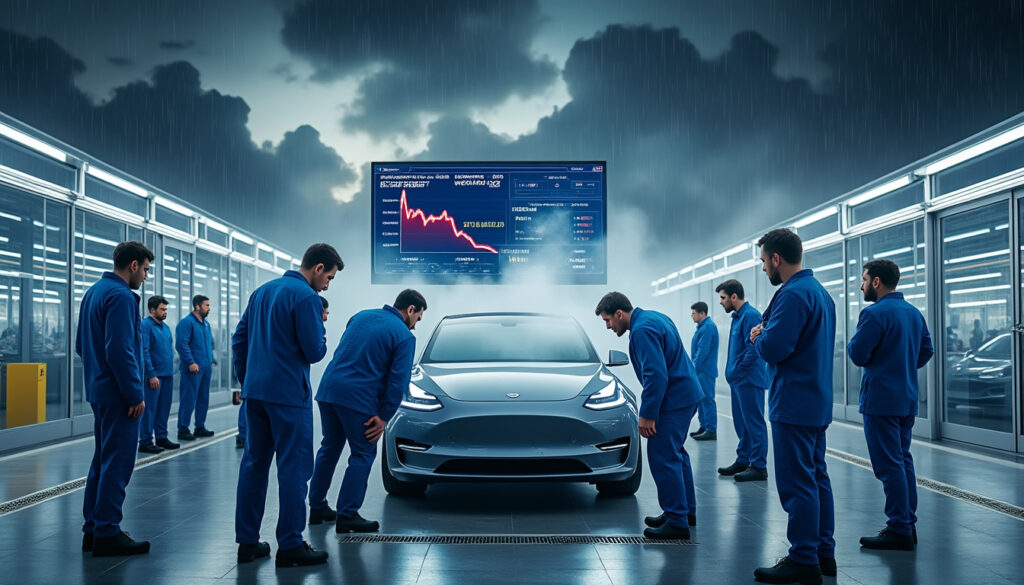

As the future of the automobile shapes around electric vehicles, a growing number of manufacturers find themselves in a precarious financial situation. Among them, brands like Faraday Future, once considered promising, now face a crossroads. The revealing trend of the gradual collapse of certain market players highlights the considerable challenges faced by those daring to enter the race of electric vehicles.
The Downfall of Faraday Future and Its Implications for the Electric Vehicle Market
Faraday Future, an American electric car manufacturer, still fails to find its footing. Indeed, in the first quarter of 2025, the company recorded alarming results, delivering only two units of its flagship model, the FF 91, while generating meager revenues of 266,712 euros. This figure, far from initial expectations and stated ambitions, clearly highlights the difficulties faced by the manufacturer.
Significant financial loss: the company's balance sheet shows it lost nearly 42.5 million euros between January and March. In a sector as competitive as electric cars, these losses underscore not only an unsustainable business model but also major operational challenges.
A Difficult Economic Context
The financial difficulties of Faraday Future are not isolated. While the electric car market is in full expansion, with major players such as Tesla, Volkswagen, Ford, and Mercedes-Benz dominating sales, other brands struggle to establish themselves. The reasons? A bold management of market expectations combined with a lack of solid infrastructure to support large-scale production.
- Inadequate business strategy: The company is not only delivering few vehicles; it is also launching a new brand, Faraday X, in hopes of bringing more accessible models to the general public.
- Operational challenges: Although the pre-order agreement for the FX Super One vans promises additional revenue, the production capacity still falls short.
- Marketing and communication: However, the company continues to report the expansion of its customer base, without the reality of sales justifying these claims.
It is interesting to note that all of this occurs in a context where other brands, like Lucid Motors, are also trying to carve their way into a crowded market, but with moderate success. This phenomenon highlights the need for more robust business plans and for a faster adaptation to the growing demands of consumers.
Comparative Table of Financial Results of Major Market Players
| Manufacturer | Units Delivered Q1 2025 | Revenues (in million €) | Losses (in million €) |
|---|---|---|---|
| Faraday Future | 2 | 0.267 | 42.5 |
| Tesla | 60000 | 5.600 | 10 |
| Lucid Motors | 1500 | 150 | 20 |
| Ford | 50000 | 4.000 | 5 |
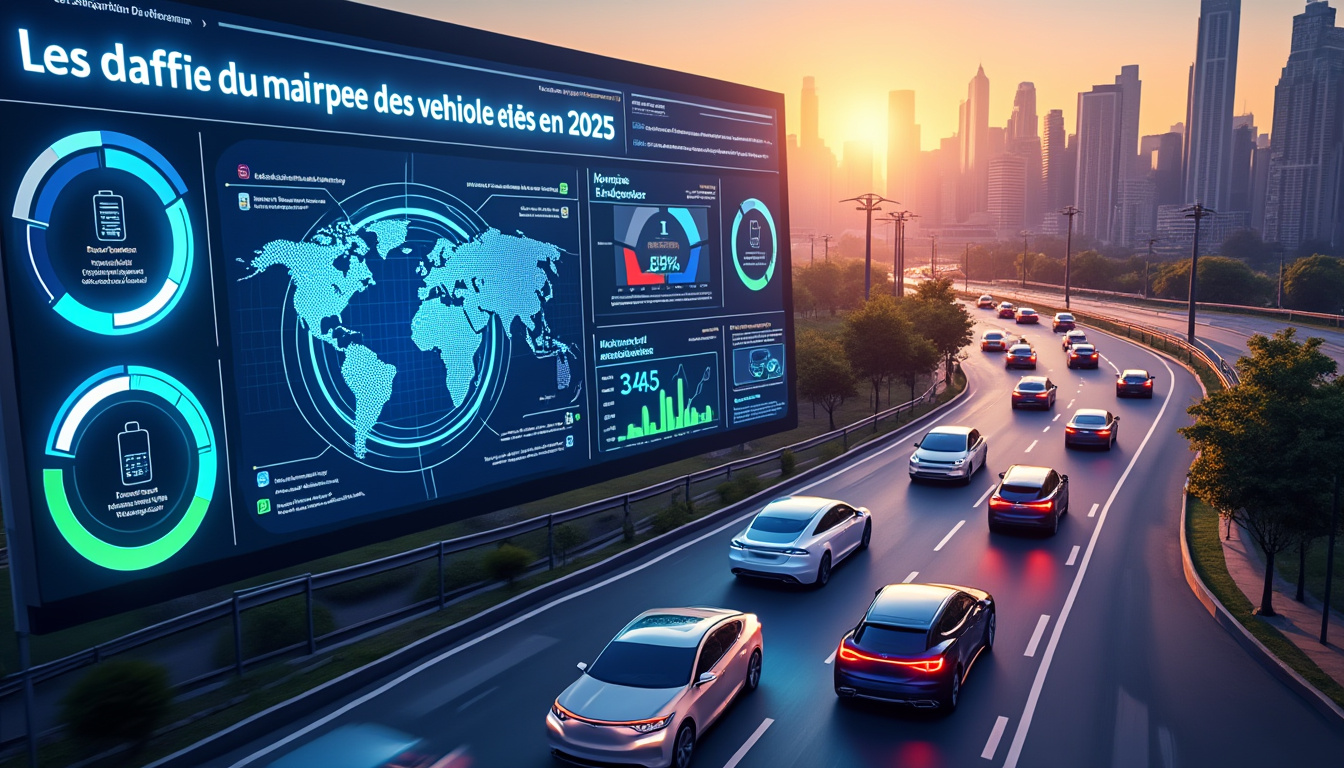
Lessons Learned from the Failures of Electric Car Manufacturers
The debacle of Faraday Future offers crucial lessons for the entire electric vehicle sector. Many experts agree that the key to success lies in a thoughtful industrial strategy. The market is saturated, and many emerging brands must become aware of the necessity to well plan their entry and development.
Analysis of the Business Model
To ensure their sustainability, new brands must assess their business model. For instance, an approach focused on efficient production and constant innovation in battery technologies could allow them to differentiate themselves. The pursuit of strategic collaborations with established companies is also crucial to compensate for resource gaps.
Here are some strategies that could help newcomers establish themselves in the market:
- Invest in research and development: Continuous innovation is essential to meet consumers' high standards.
- Strengthen the supply chain: Ensuring the availability of parts and materials is crucial to not hinder production.
- Build strong relationships with distributors: A good distribution network can make a difference in sales.
It is also worth noting that even iconic brands like BMW and Audi have had to revise their strategies to adapt to this new electric era. This demonstrates that no company is immune to the challenges of the market.
Explanatory Video on the Challenges Faced by Electric Vehicle Market Players

The Repercussions on Brand Image in the Automotive Sector
The impact of failures like that of Faraday Future goes beyond mere financial dynamics. It also affects the image of both established and emerging players in the sector, leading to a loss of consumer trust. The negative publicity generated by bankrupt companies can have detrimental consequences for the entire market.
Building and Maintaining Consumer Trust
In such a competitive field, trust is a valuable asset. Companies must not only grow but also cultivate loyalty among savvy consumers. Here are some tips to strengthen this trust:
- Transparency regarding performance and deliveries: Providing regular updates on the status of deliveries can help build an honest relationship with customers.
- Quality beyond promises: It is essential that products meet users' expectations in terms of performance, range, and reliability.
- Commitment to customer service: Good after-sales service often accompanies a company's success.
Faraday Future's recent setbacks also shed light on broader questions of social responsibility and ethics in the automotive sector. Today's consumers are increasingly sensitive to the social values that brands advocate.
Summary Table of Consumer Perceptions of Brands
| Brand | Consumer Trust (%) | Perceived Quality (%) | Commitment to Sustainable Initiatives (%) |
|---|---|---|---|
| Tesla | 85 | 90 | 80 |
| Faraday Future | 20 | 30 | 15 |
| Lucid Motors | 60 | 70 | 65 |
| Volkswagen | 75 | 80 | 70 |
Innovation as a Key to Viability in the Electric Sector
Due to the economic challenges faced by companies like Faraday Future, innovation proves to be a critical focus. As established companies continue to invest in advanced technologies, it is crucial for new players to follow this trend to remain competitive. Investing in sustainable mobility solutions and redefining the very concept of what an electric vehicle can be could translate into a significant advantage.
New Technological Trends
The range calculator, energy management optimization, and integration of smart applications are some of the new trends emerging. These could separate the wheat from the chaff in a sector where innovation is relentless. Indeed, several manufacturers are beginning to explore:
- Next-Generation Batteries: Better performance with a reduced environmental impact.
- Autonomous Vehicles: Autonomous driving could transform the driving experience and generate new excitement.
- Increased Connectivity: Cars becoming smart devices integrated into the consumer's digital ecosystem.
Innovations are also essential to meet the expectations of emerging markets, where the demand for affordable and sustainable mobility is particularly pressing. By addressing these issues, brands could not only survive but also thrive.
Analysis Video on the Importance of Innovation in the Automotive Industry

Si vous souhaitez lire d'autres articles tels que A debacle is looming for this electric car manufacturer, consultez la catégorie Non classé.
-
Lysandre Vaucluse says:
Les difficultés de Faraday Future montrent à quel point le marché des voitures électriques est compétitif.
-
La situation de Faraday Future montre bien les défis de l'industrie électrique aujourd'hui.
-
Faraday Future a vraiment du mal, c'est triste de voir une telle promesse échouer.
-
C'est triste de voir Faraday Future lutter ainsi, j'espère qu'ils trouveront une solution.
Leave a Reply
Articles relatifs