The White House eases concerns of the automotive sector in North America



The recent actions of the White House have highlighted the strategic importance of the automotive sector in North America. In response to the ongoing concerns of industry stakeholders, the government has attempted to ease tensions caused by controversial trade agreements. More than ever, the stakes are not limited to figures alone. They impact the viability of the automotive industry, employment, and competitiveness on the global stage. How does the U.S. government intend to support this vital sector? What will be the impacts of today’s decisions on the future of automobiles in North America?
The stakes of the automotive industry in North America
The North American automotive sector occupies a central place in the region's economy. By 2025, it continues to represent a significant share of employment and gross domestic product. The importance of this industry is amplified by the fact that it is closely linked to research, innovation, and the global supply chain. Manufacturers such as Ford, General Motors, and Stellantis play a predominant role not only locally but also on an international scale.
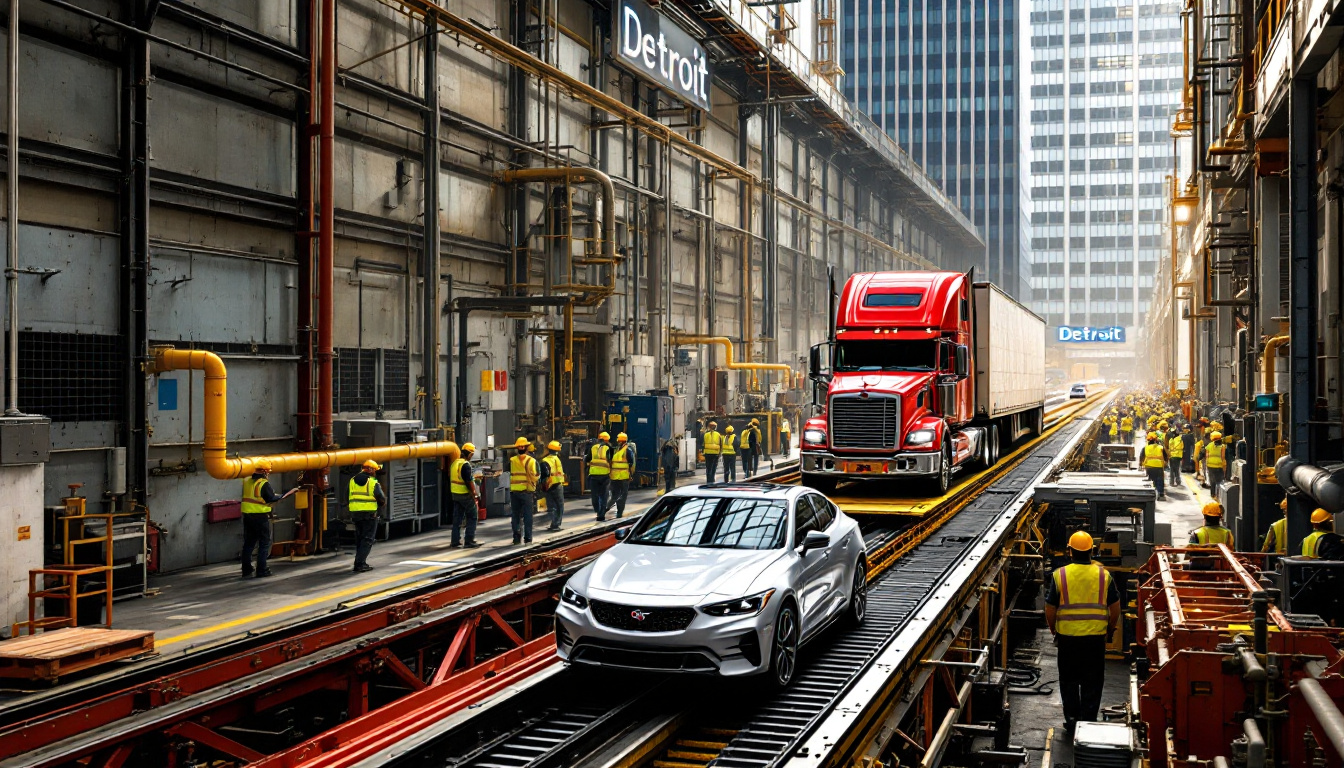
The concerns surrounding the sector are not new. With rising trade tensions, industry stakeholders express their frustration over the tariff war. The tariffs imposed by the Trump administration, which vary by country of origin, complicate the situation even further. As a result, voices are rising to demand increased government support.
A changing sector
The automotive sector faces unprecedented challenges, exacerbated by shifting consumer expectations regarding sustainability and technology. Electric and hybrid vehicles, such as those from Tesla or other emerging brands, are profoundly altering the landscape. The need for a proactive policy from the White House is felt to accompany this transformation. By investing in charging infrastructure and supporting research on battery technologies, the government can not only preserve jobs but also stimulate innovation and exports.
- Impact of tariffs on production costs
- Shift towards more sustainable vehicle models
- Increased collaboration among North American countries to strengthen competitiveness
By 2025, it is crucial for the government to establish a regulatory framework that protects the interests of the sector while promoting innovation. Questioning the long-term consequences is essential, as more and more vehicles cross borders for assembly. In summary, supporting this industry requires a reassessment of how it interacts with the outside world.
| Key elements | Impact on the automotive industry |
|---|---|
| Tariffs | Increased production costs |
| Trade agreements | Preferential access for certain countries |
| Technological innovation | Adaptation to sustainability demand |
These considerations are essential for building a sustainable vision that will ensure the future of the automotive sector in North America. The decisions made today will resonate in the years to come, affecting not only businesses but also the thousands of workers who depend on the economic health of this industry.
The White House's reactions to the sector's concerns
In the face of this crisis, the White House has taken a position to reassure automotive industry stakeholders. Recent statements indicate that President Trump is willing to listen to the concerns expressed by manufacturers. Indeed, the White House spokesperson stated that the administration is committed to ensuring that American automotive manufacturers are in a strong position against international competition.
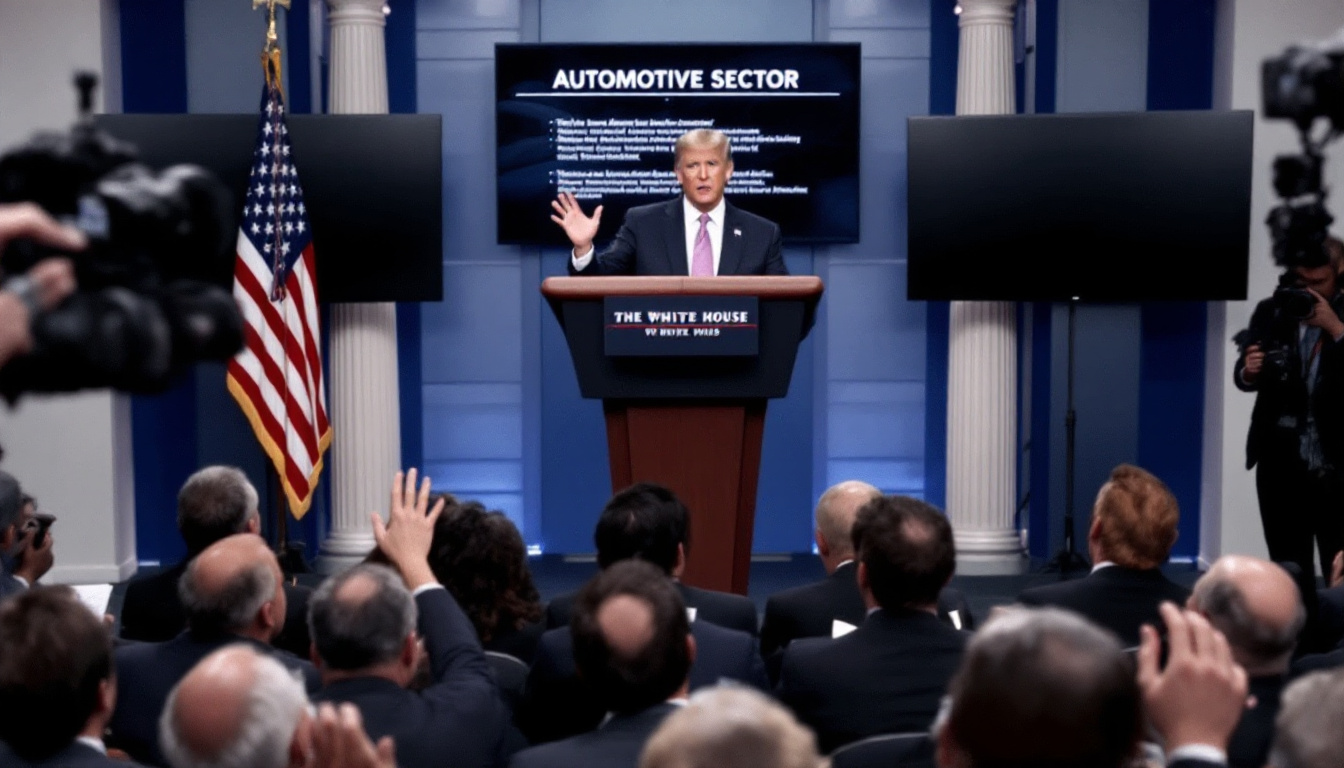
The concerns raised primarily revolve around the affordability of vehicles on the American market. Industry stakeholders criticize the fact that a British vehicle could be imported at a lower cost than a model manufactured in North America. This reality could set a dangerous precedent by devaluing the work done locally.
Securing the future of the automotive sector
The changes proposed by the White House could transform the sector dynamics. The regulation on tariffs and the implementation of support measures for manufacturers are key elements in this process. The sector also seeks a clear commitment to ensure a competitive environment for production in North America.
- Commitment to support the local industry
- Reevaluation of tariffs for certain imports
- Support strategies for research and innovation
With these measures, the government hopes not only to address current concerns but also to anticipate future challenges. By not underestimating the power of the automotive sector, the White House demonstrates its intention to preserve and enhance the performance of this vital industry.
| Proposed measures by the White House | Objectives |
|---|---|
| Financial support for manufacturers | Increase competitiveness |
| Review of tariffs | Facilitate access to materials |
| Investment in research | Stimulate innovation |
This combination of government support and business initiatives could well transform the landscape of the automotive industry, making it stronger and more resilient against global competition.
The challenges ahead for the automotive industry
As part of modernizing the automotive sector, several challenges remain. The transition to electric vehicles, the constantly rising expectations of consumers regarding the environment, as well as the economic impacts of geopolitical tensions create an atmosphere of uncertainty. By 2025, confronting these challenges requires a strategic and collaborative approach between the government and the sector.
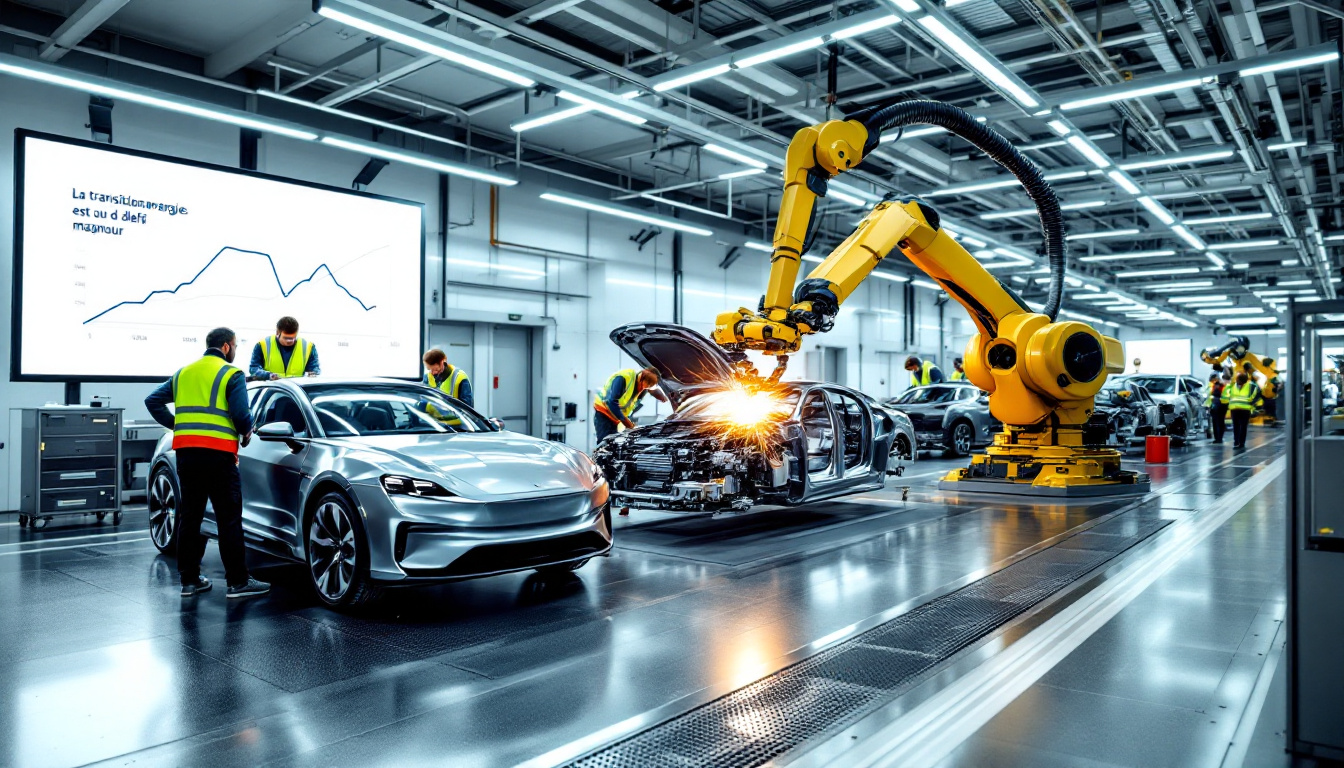
Issues related to importation and production
The tariffs on imported vehicles already complicate manufacturers' tasks. Indeed, the president has announced the possibility of a tariff reduction on certain models, but the details are slow to emerge. These delays increase confusion among industry stakeholders. Uncertainties regarding the specific measures to come compromise their ability to plan for the future.
- Links between importation and local production
- Adaptability options in response to economic fluctuations
- Training and skill development for workers
The future of the automotive sector depends not only on legislation but also on the adaptability of companies. Therefore, companies must integrate flexible strategies that allow them to respond quickly to market changes.
| Challenges encountered | Potential solutions |
|---|---|
| Rising inflation of components | Seeking new suppliers |
| Changes in consumer preferences | Adaptation of products (greening) |
| Competitiveness of foreign models | Improvement of process efficiency |
The White House must therefore act quickly to reassure the sector and establish a conducive environment for innovation. The ability to anticipate and adapt is essential for the sustainability of the automotive industry in a constantly evolving world.
The future prospects for the automotive sector
The question of the future of the automotive sector in North America remains crucial. By adopting a proactive approach, the White House could lay the groundwork for a more resilient future. However, emphasis must be placed on collaboration between the government and industry stakeholders to create a thriving ecosystem.
A collaborative vision
The plans of the White House should promote a collaborative vision for the sector, fostering not only the autonomy of the automotive industry but also its global competitiveness. By 2025, it is essential to recognize that synergies between governments, companies, and workers are the key to success. Regular consultations with industry stakeholders can better define the regulations necessary to support growth.
- Long-term commitment to innovation
- Partnership agreements between companies
- Investments in talent development
This approach could catalyze a positive dynamic within the industry. If adequate measures are taken to support local capabilities while fostering fair exchanges, North America could maintain its leadership position in the global automotive sector.
| Necessary actions for the future | Expected outcomes |
|---|---|
| Promotion of sustainable innovation | Reduction of environmental costs |
| Strengthening local supply chains | Securing jobs |
| Encouragement of research | Positioning in the global market |
In conclusion, these strategic steps offer the opportunity to explore new pathways for the future, while reassuring the automotive sector about its place in an evolving economy. It is imperative to recognize that success relies on collective commitment and coordinated actions.


Si vous souhaitez lire d'autres articles tels que The White House eases concerns of the automotive sector in North America, consultez la catégorie News.
-
Sylvine Aveline says:
L'importance de soutenir l'industrie automobile est cruciale pour l'économie locale et l'innovation.
Leave a Reply
Articles relatifs