On the road! No. 5: let's explore the budget needed to charge our electric vehicles

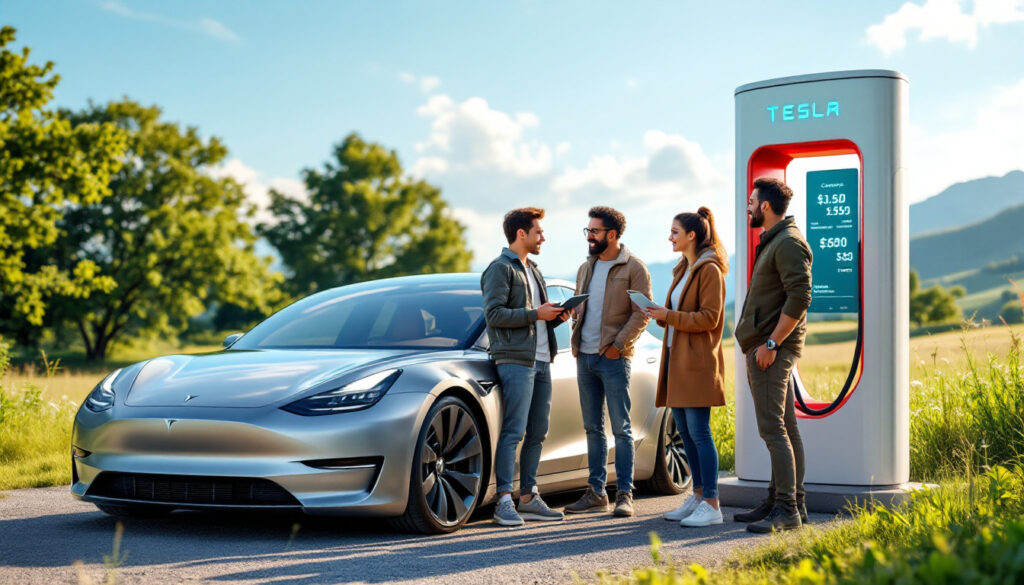

The rapid rise of electric vehicles is shaking up the automotive landscape. As more and more drivers consider swapping their internal combustion engines for a battery, one aspect remains unclear: the cost of charging. This budget is not only essential to plan for future owners, but it can also influence purchasing decisions. Whether it’s Renault, Tesla, or Volkswagen, understanding where and how to charge can significantly reduce expenses. Let's dive together into this electric world.
Cost of Charging an Electric Car: A Pricing Overview
Charging an electric car may seem straightforward, but the cost can vary greatly depending on various parameters. Between public charging stations, home charging, and electricity provider rates, there is a true market of prices. What lies behind these figures?
Understanding the Differences Based on Charging Locations
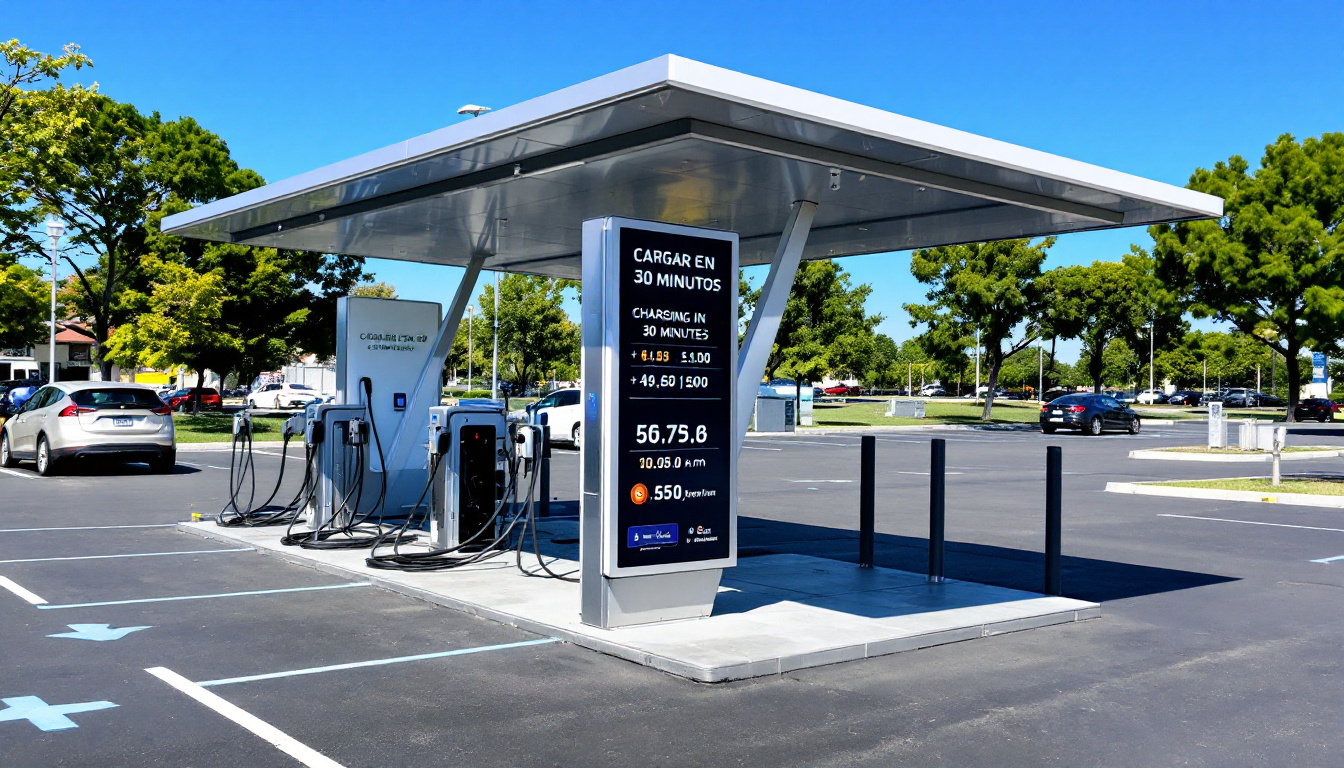
The charging locations play a crucial role in calculating expenses. The available options are varied, here’s an overview:
- Home Charging: By using a Linky meter, one can optimize charging hours, thus avoiding consumption peaks. The average cost is around €0.20 to €0.30 per kWh. It is often the most economical solution.
- Public Charging Stations: Prices are more variable. In some cases, rates can reach €0.60 to €0.80 on average. Some ultra-fast chargers can even charge up to €1 per kWh, as seen on the Turin ring road.
- Fast Charging Stations: Generally located at strategic spots, like along highways, they allow for quick charging. But beware, the associated costs can sometimes get one thinking twice.
Without clear regulation, prices could increase, making the transition to electric less attractive. Governments must intervene to regulate these prices to avoid discouraging users.
| Type of Charging | Average Cost (€ / kWh) | Advantages | Disadvantages |
|---|---|---|---|
| At Home | 0.20 - 0.30 | Economical | Initial installation can be expensive |
| Public | 0.60 - 1.00 | Easy access | High costs |
| Fast | 0.80 - 1.20 | Quick charging | Variable rates, can be costly |

The Different Factors Influencing the Charging Budget
The cost of charging does not depend solely on where one plugs in. Other elements come into play, and it is essential to understand them to optimize one’s budget.
The Battery Capacity and Its Impact on Expenses
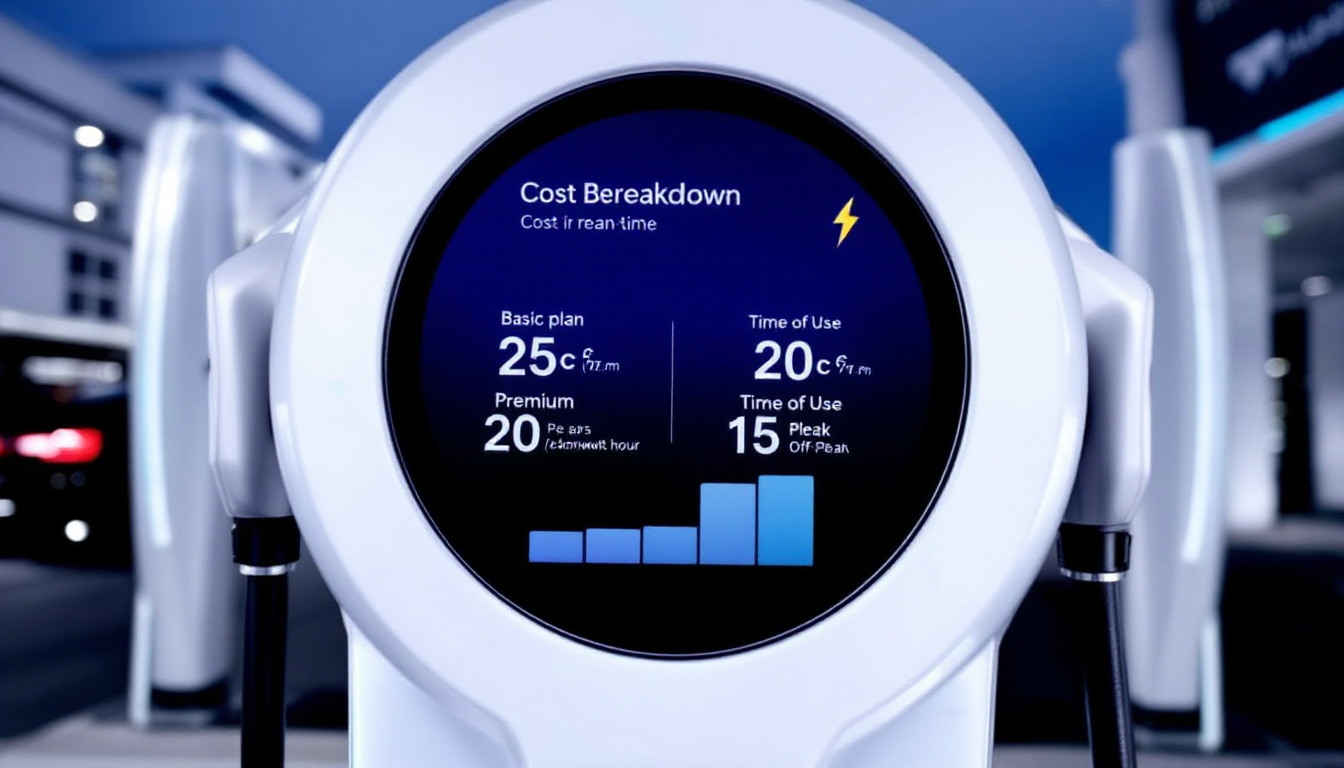
The >battery capacity of your vehicle plays a major role in the overall charging cost. For example, a Porsche Taycan with a higher battery capacity will require a higher charging cost than a Peugeot e-208. Battery capacities vary, and it’s crucial to know your vehicle’s capacity to predict charging costs:
| Car Model | Battery Capacity (kWh) | Estimated Range (km) | Charging Cost (estimate) |
|---|---|---|---|
| Renault Zoe | 52 | 300 | 10 - 15 € |
| BMW i3 | 42 | 200 | 8 - 12 € |
| Tesla Model 3 | 75 | 400 | 15 - 25 € |
By making these calculations, it is possible to better plan one’s budget. This becomes even more relevant when considering long-distance travel.
Regional Differences Also Influence Costs
In France, regional regulations can vary. Some regions subsidize the installation of charging stations, while others impose higher taxes on electricity costs to maximize tax revenues. The impact can manifest in various ways in the midst of the electric renaissance.
It remains important to analyze one’s local environment. For example, some departments encourage infrastructure and offer support to electric vehicle owners.
Optimizing Charging to Reduce Expenses
It is entirely possible to optimize charging habits to reduce expenses. Good management of charging allows for maximizing one’s experience while preserving one’s wallet. What strategies can be adopted to achieve this goal?
Choosing the Right Time to Charge
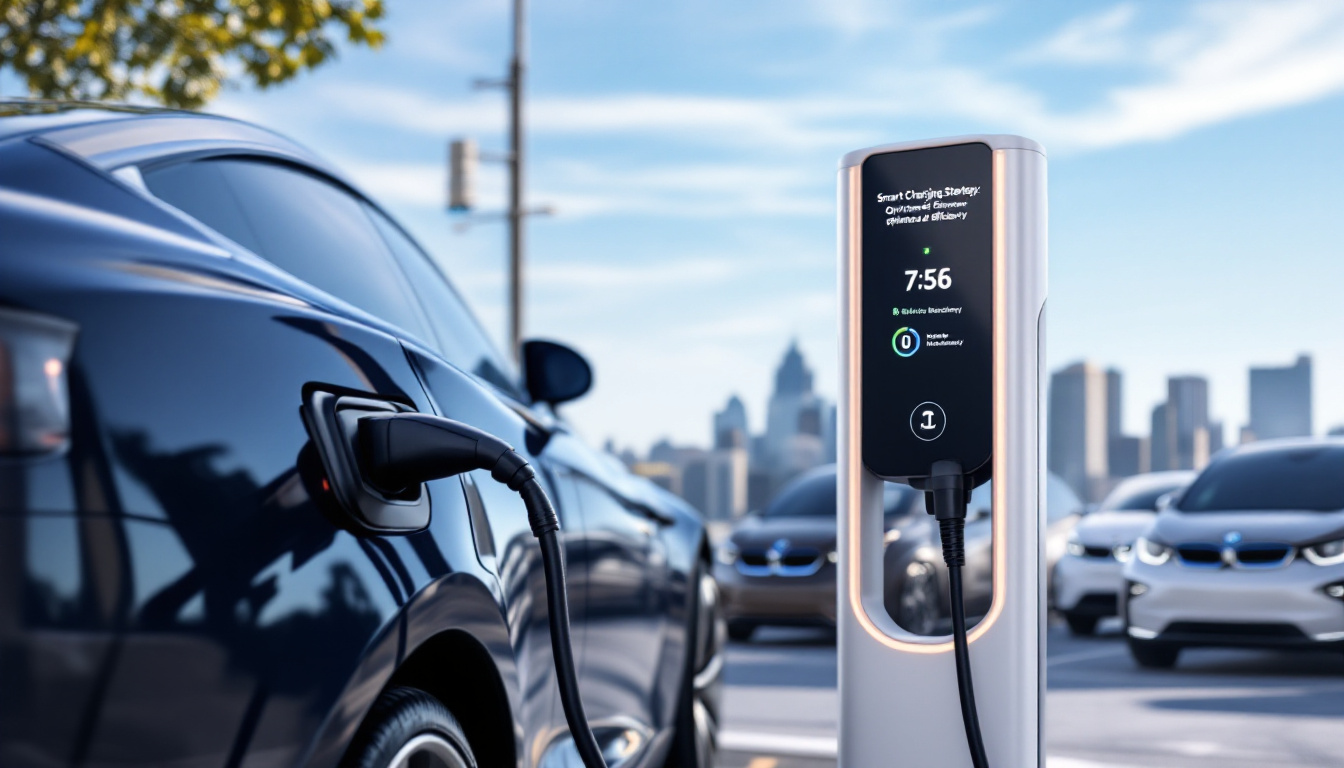
The off-peak hours are often the best time to charge. In France, many electricity providers offer reduced rates during these periods. For example, charging at night can significantly reduce one’s electricity bill.
- Peak Hours: Higher fees, to avoid if possible.
- Off-Peak Hours: Reduced rates, remember to schedule your charges.
Taking Advantage of Special Offers from Energy Providers
Electricity providers seek to attract new customers, and special offers regularly emerge. These offers should be monitored, as they could provide preferential rates for electric vehicle users.
It is also possible to combine these offers with the installation of smart charging stations, thus managing consumption.
| Optimization Strategy | Impact on Budget | Example of Application |
|---|---|---|
| Charging during off-peak hours | Average cost reduction of 30% | Charging from 00:00 to 06:00 |
| Eligibility for special offers | Reduced rates available | Check on provider platforms |
| Using smart stations | Optimized consumption management | Scheduling via a mobile app |

Challenges to Anticipate for an Effective Transition
The challenges are numerous, but will undoubtedly rise to the level set by the government and the vision of citizens. Electric vehicle users must navigate among the uncertainties of rates, infrastructure development, and fiscal rules.
The Threat of Potential Surcharges
A hot topic is that of surcharges on kWh. If the demand for charging increases, providers might be tempted to raise prices, thus making electric vehicles less attractive. A fair model is needed to prevent such slip-ups.
The Need for a Coherent Policy
To ensure mass adoption of electric cars, it is crucial to harmonize regional subsidy policies and align fiscal measures that do not penalize the user. Reflection is necessary to ensure an appropriate and transparent framework.
| Challenge | Potential Impact | Possible Solutions |
|---|---|---|
| Surcharges on kWh | Slowing the transition | Regulating prices through legislation |
| Insufficient Infrastructure | Access difficulties | Increased investments |
| Rate Evolution | Decreased consumer confidence | Cost transparency |
In this transition towards an electric future, informed choices, good anticipation, and strong political will will help to guide the path.
Si vous souhaitez lire d'autres articles tels que On the road! No. 5: let's explore the budget needed to charge our electric vehicles, consultez la catégorie Non classé.
-
Thalassa Verne says:
Cet article explique bien les différents coûts de recharge, c'est très utile pour les futurs conducteurs.
-
La montée des véhicules électriques est vraiment fascinante, mais les prix de recharge me préoccupent.
Leave a Reply
Articles relatifs