A skeptical mechanic about the future of electric cars testifies: his customers are returning to thermal vehicles.

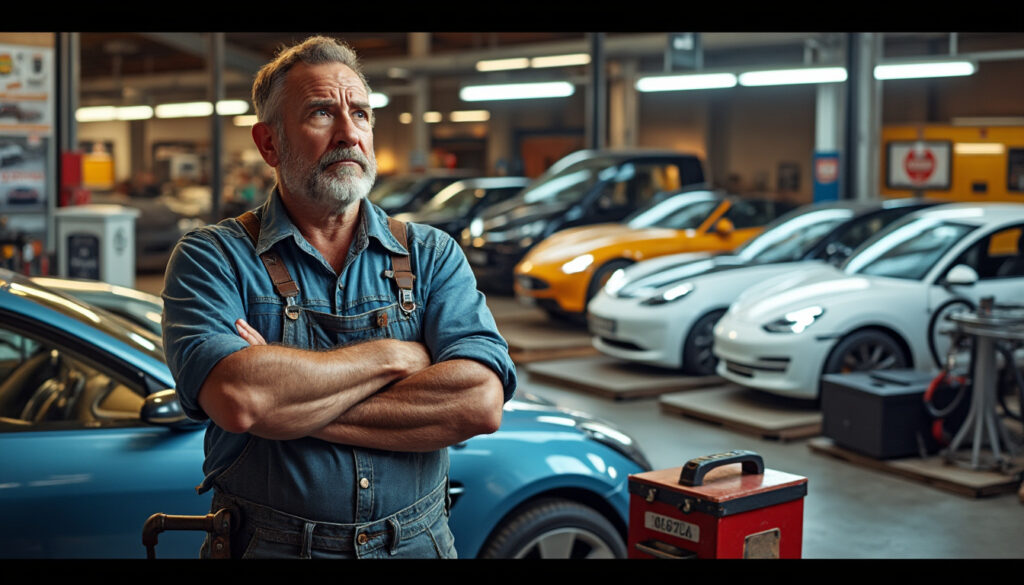

As the future of the automobile seems to be heading towards an inevitable transition to electric vehicles, some industry players, such as mechanics, express significant reservations. This debate is particularly illustrated by the testimony of a mechanic from Montreuil, Daniel, who observes that many customers are opting again for internal combustion engine cars. Through this article, we will examine the reasons for this skepticism, the consequences for mechanics, and reflections on the future of electric cars.
The Realities of the Evolving Automotive Market
The automotive market is undergoing an unprecedented transformation. The pressure exerted by the need to reduce greenhouse gas emissions, coupled with the political decisions of the European Union banning the sale of new internal combustion engine cars by 2035, seems to steer the sector towards massive electrification. However, this transition raises many questions and concerns among consumers and mechanics.
A Return to Thermal: Testimony from a Mechanic
Daniel, a mechanic for over 20 years, has recently observed an alarming trend among his customers. Although the majority of them were initially attracted by the promises of electric cars, in light of market evolution and infrastructure inadequacies, some are now choosing to return to thermal vehicles. Daniel emphasizes that the lack of accessible charging stations and issues related to the autonomy of electric cars make this option increasingly attractive for those who undertake long daily commutes.
The reasons for this return can be summarized in several key points:
- Inaccessibility of charging stations: Many customers complain about the difficulty of finding a station near their home.
- Maintenance costs: Repairs on electric cars are still significantly higher than for their thermal counterparts, which concerns many motorists.
- Uncertainty about the future: Customers express fears regarding electrification policies, wondering if the investment is really worth it.
Implications for Mechanics
For mechanics like Daniel, this trend reversal raises not only economic questions but also reflections on their role in the future. In a world where electric cars require fewer frequent repairs, mechanics are questioning the sustainability of their profession. Indeed, according to a study by Ifop, nearly 80% of mechanics express concerns regarding the long-term viability of their business.
Here are some consequences for the profession:
- Reduction in revenue: Fewer repairs = less income for garages.
- Investments in training: The need for training on new technologies for electric cars can put significant financial pressure on small garages.
- Forced adaptation: Mechanics must learn to work with technologies they do not yet master.
The Environmental Issues of Electric Cars
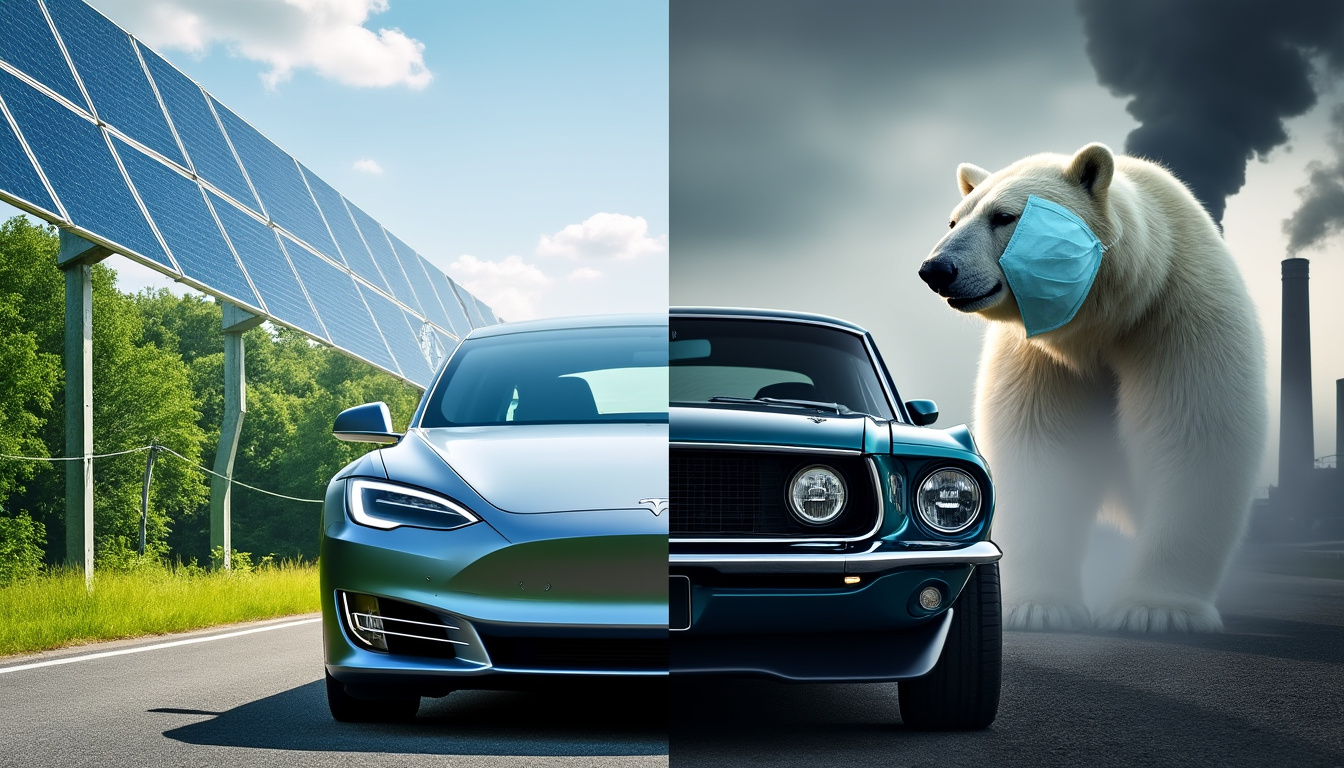
While electric cars are often praised as ecological alternatives to thermal vehicles, it is essential to look beyond this façade. The real environmental impact from production to use of electric cars raises growing concerns. Thus, elements such as the extraction of rare minerals necessary for battery manufacturing, as well as emissions generated during their production or dismantling, raise questions about their true "cleanliness".
The Impacts Related to Battery Production
An aspect often overlooked in the discussion about electric cars concerns the environmental impact of battery production. Lithium-ion batteries, used by most manufacturers such as Renault, Nissan, Toyota, and BMW, require the extraction of materials such as lithium, cobalt, and nickel. These processes are often associated with significant environmental impacts in the countries of origin, notably ecological degradation caused by mining operations.
The consequences can be significant, including:
- Water pollution: Contaminants from mines can end up in groundwater.
- Destruction of natural habitats: Opening new mines often leads to the destruction of forests and ecosystems.
- CO2 emissions: Battery manufacturing generates greenhouse gas emissions, which offset the advantages of electric vehicles in terms of use.
The End of Thermal Cars? Not So Fast
The European Union's decision to ban the sale of new thermal models starting in 2035 has sparked much debate. Nevertheless, this transition comes with a broader discussion about the feasibility of an entirely electric world in the face of challenges such as variability in energy supply and consumer resistance. Brands like Volkswagen and Ford are committing to better integrate electric models, but their success will ultimately depend on public acceptability.
In light of these uncertainties, many players in the automotive sector are questioning the opportunity to continue investing in thermal models. The question ultimately arises: is full electrification a feasible goal in the short term?
| Brand | Model | Type of Engine |
|---|---|---|
| Renault | Zoé | Electric |
| Peugeot | 208 | Thermal / Electric |
| Fiat | 500e | Electric |
| Mercedes-Benz | EQA | Electric |
| BMW | i3 | Electric |
The Hidden Costs of Electric Cars
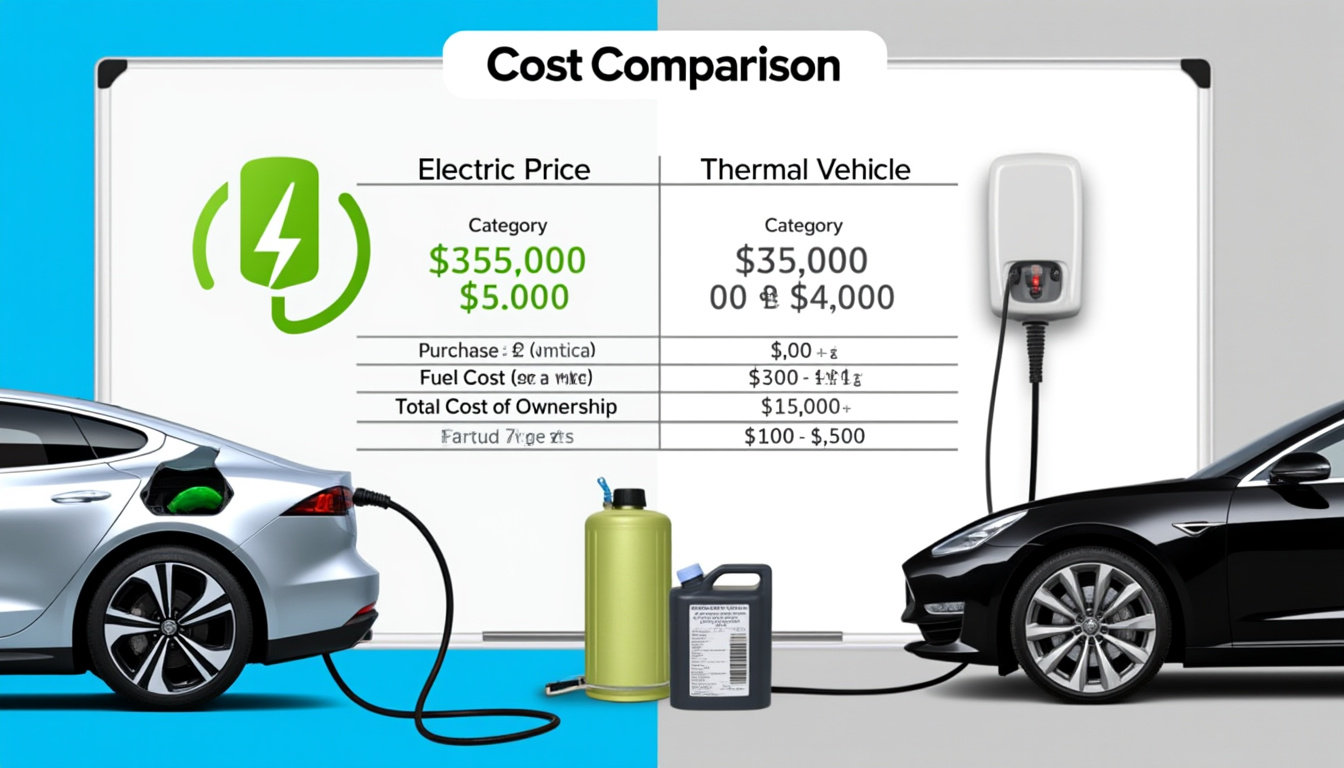
Another angle often overlooked in the delicate discussions around the price of electric cars is the question of maintenance costs that can accumulate over the long term. Although these vehicles are generally promoted as an economic solution, several factors must be analyzed to grasp the truth.
The Long-Term Maintenance Costs
Owners of electric cars are often attracted by promises of low maintenance costs and reduced upkeep. However, beneath this façade lies a set of costs that motorists must consider, especially when the vehicle reaches the later stages of its life cycle.
Here are some examples of hidden costs:
- Battery replacement: Their lifespan varies between 5 and 10 years, and their replacement can cost between 5,000 and 15,000 euros, depending on the model and technology.
- Charging costs: Depending on the energy source and its cost, charging bills can quickly accumulate.
- Specialized maintenance: Working on batteries and electronic systems may require specialized skills, resulting in additional costs.
An Alternative Perception
In a context where energy prices fluctuate, many motorists also question the return on investment of electric cars. The purchase price, often higher than that of thermal vehicles, may not always offset the promised savings in the long term. An article on GT-Automotive highlights this reality, revealing that the electrification of the automotive fleet could also fit into a model of unexpected expenses for households.
| Item | Estimated Cost |
|---|---|
| Battery replacement | 5,000 - 15,000 € |
| Annual maintenance | 700 - 1,200 € |
| Monthly charging | 50 - 150 € |
The Challenges of the Charging Infrastructure
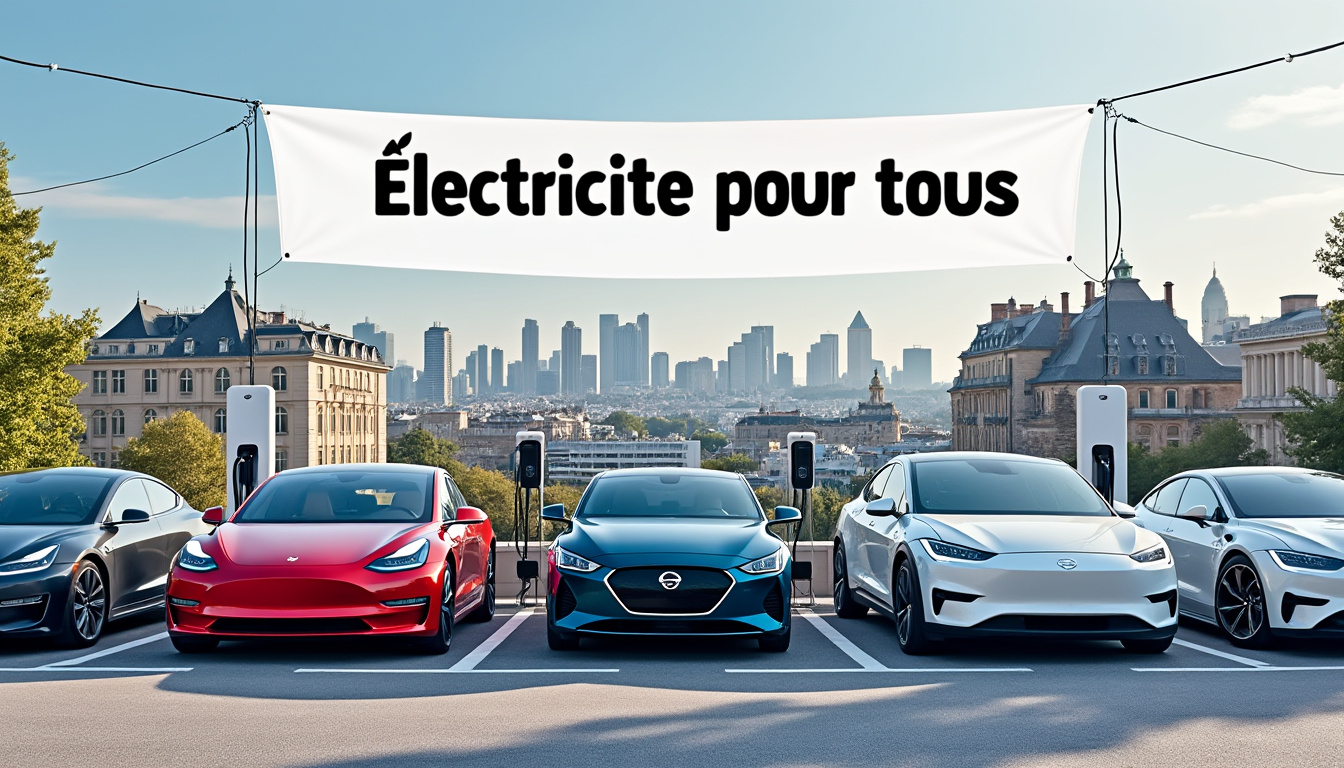
Another tangible barrier to the massive adoption of electric cars remains the charging infrastructure. If this does not improve relative to growing demand, it is difficult to envision a scenario where electric cars become the norm.
The Current State of Infrastructure
The figures indicate a state of stagnation in France. While there are thousands of charging stations across the country, their geographical distribution is often uneven. Rural areas, for example, are largely disadvantaged compared to major metropolitan areas.
In addition to distribution, other issues persist:
- Charging time: For users in a hurry, charging time can seem lengthy compared to a conventional fill-up.
- Technical problems: Breakdowns or failures of charging stations are common, causing frustration and wasted time for motorists.
- Variable pricing: Charging costs vary from one operator to another, making trip planning complex.
A Perspective on the Future
It is crucial for industry stakeholders to transform this situation. The creation of reliable and accessible charging networks will concentrate many upcoming investments, including initiatives led by manufacturers like Ford and Volkswagen to improve accessibility to charging stations. A market study highlights these challenges, indicating that nearly 65% of consumers hesitate to purchase an electric vehicle due to these uncertainties.
In a world where the fight against climate change is paramount, overcoming these challenges will represent a crucial issue. Governments and companies will need to collaborate to provide concrete solutions that reassure consumers. Perhaps, in time, the perception of electric cars will no longer be synonymous with compromise.
Si vous souhaitez lire d'autres articles tels que A skeptical mechanic about the future of electric cars testifies: his customers are returning to thermal vehicles., consultez la catégorie Non classé.
-
Léandre Océane says:
Il est vrai que le manque de bornes de recharge freine l'adoption des voitures électriques.
Leave a Reply
Articles relatifs