An anti-low emission zone protest mobilizes 450 cars and turns into an incident

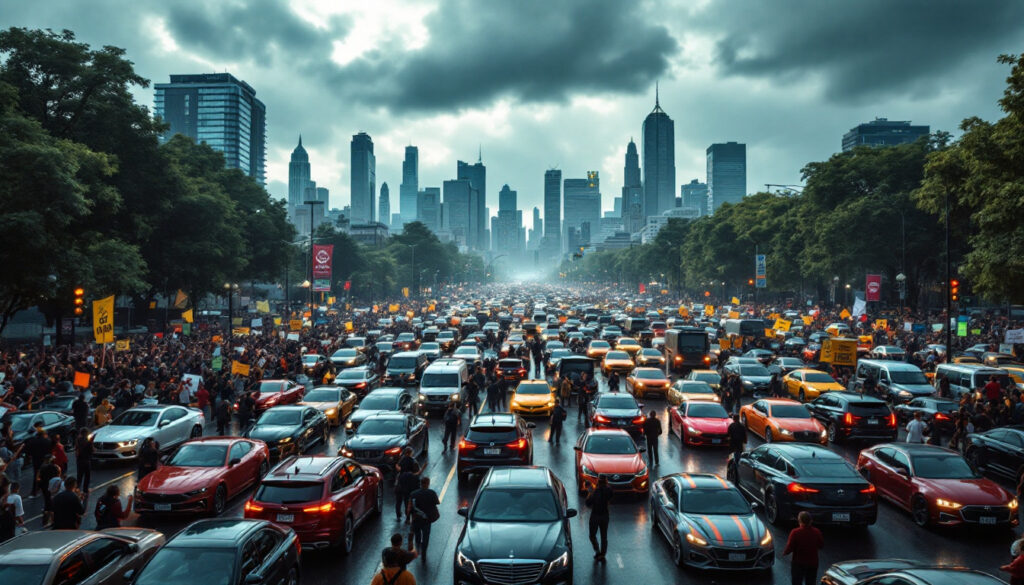

Tensions surrounding Low Emission Zones (LEZ) are intensifying in France, revealing a fracture at the heart of modern society. On Saturday, April 26, in the evening, a protest in Toulouse, which was supposed to gather opponents to these regulations, took an unexpected turn, mobilizing no less than 450 vehicles. While the sunny weather favored a friendly outing, frustration overflowed, turning a parade into multiple incidents.
An unprecedented mobilization against the LEZ
France is undergoing a transformation with the establishment of Low Emission Zones. These aim to reduce pollution in city centers by limiting access to the most polluting vehicles. However, this approach is far from reaching a consensus. Motorcycle collectives, notably the French Federation of Angry Motorcyclists (FFMC), have organized nationwide protests. Last Saturday, the situation escalated significantly in Toulouse.
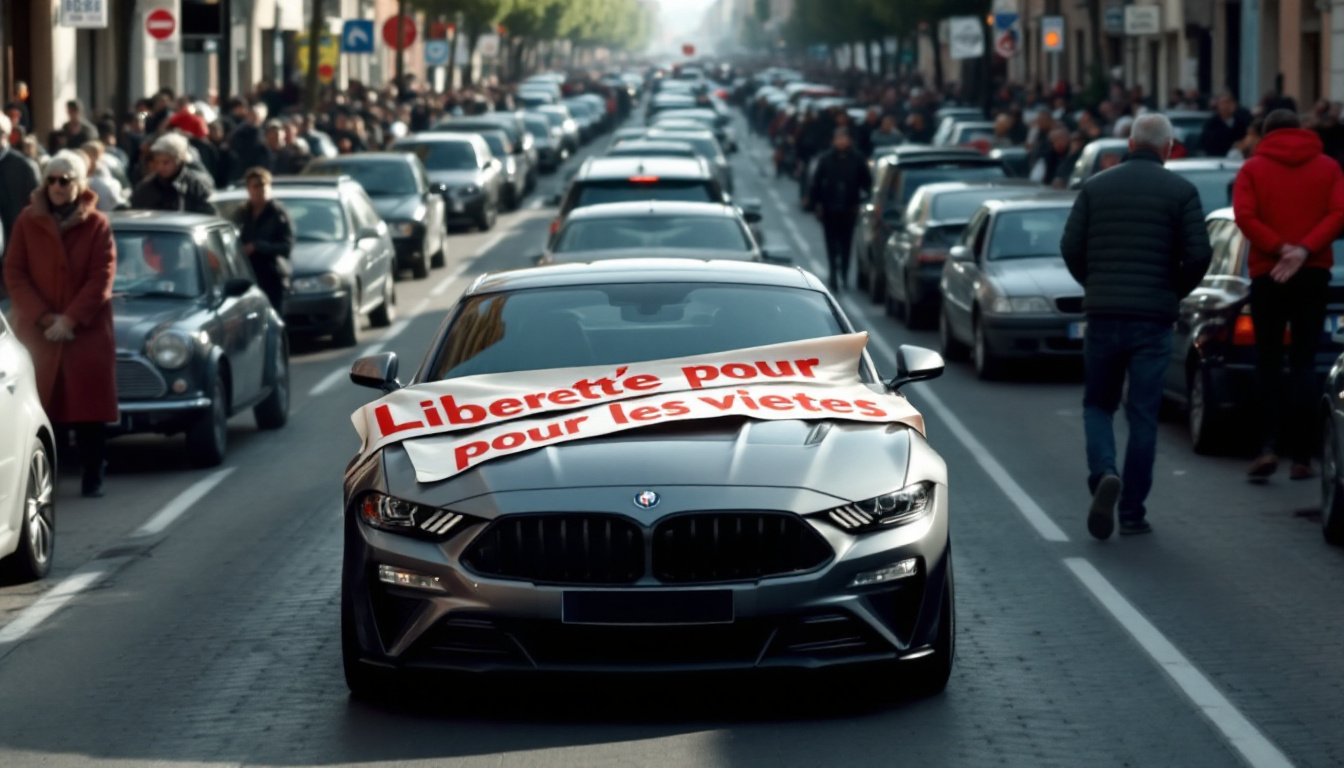
Although the protest was authorized by the prefecture, the palpable tension between the participants and law enforcement quickly emerged. The massive presence of vehicles raised concerns, not only for road safety but also due to noise pollution. The screeching of tires and fireworks indicated that the evening would not be remembered as a peaceful celebration.
Participants expressed various grievances. Here are some examples of demands mentioned during the mobilization:
- Protect access to roads for vintage vehicles classified Crit'Air 3 or lower.
- Demand a dialogue with authorities regarding the regulation of the LEZ.
- lament social exclusion related to mobility restrictions.
- Criticize control methods deemed repressive by some users.
These concerns underscore a central question: how to reconcile environment and mobility without harming citizens' freedom of action? The answer to this question grows more complex with each new mobilization.
The shift to incidents
At the heart of this demonstration, the call to action was clear: demand change. However, the gathering began to deteriorate after a few hours of marching. Too many vehicles, too much noise, too much adrenaline. Vehicles started to move chaotically, with some participants adopting provocative behaviors. Calls to the police multiplied, reflecting a sudden escalation of tensions.
Why this escalation of tension? Several factors come into play:
- A feeling of inequity: The regulations on the LEZ are often perceived as decisions made without genuine consultation with users.
- A growing frustration: Owners of combustion vehicles increasingly feel the pressure from legislation on their rights.
- Use of force: In case of incidents, law enforcement often has to intervene in a way that only fuels dissent.
No accidents were reported during this tumultuous evening, but the ambient anger fed into this spiral of incidents. The scene reflected a broader malaise, where the fight against pollution and the need to preserve mobility clash.
A revolt with multiple facets
As the protest continued, the incidents seemed to reflect a revolt much more complex than simple discontent with the LEZ. This agitation fits into a broader context where citizens feel stripped of their freedoms in favor of regulations deemed too severe. In Toulouse, the festive atmosphere evaporated in favor of anxiety and conflict.

Participants, often bearing various demands, express fears about the future of their vehicles, their commuting habits, and their freedom to act. Environmentalists may argue that stricter rules are necessary to combat pollution, but this dark reality of exclusion seems overlooked.
Discussions around the LEZ have not only ecological implications; they also highlight questions of social justice. This prompts reflection on how decisions, taken for the common good, can create fractures within society.
Examples of other similar mobilizations
This agitation is not isolated. Let's recall several recent events where protests against the LEZ gathered significant crowds:
- A gathering in Paris saw thousands of motorcyclists displaying protest messages against the restrictions.
- In Montpellier, numerous events highlighted the resistance of road users to legislation seen as unjust.
- Mobilization is intensifying across France, as mentioned in this article from Midi Libre.
The messages shared during these assemblies illustrate that the fight for mobility is built from various angles. They reflect the diversity of concerns of users in the face of the development of the LEZ. Ultimately, it is a quest for a balance between environmental protection and respect for freedom of movement.
The regulation debate: between necessity and abuse
The debate around the LEZ is not limited to Toulouse; it extends throughout France. Regulations are often perceived as a necessary response to contemporary environmental issues. However, the methods of their implementation are often contentious. Users sometimes feel at the mercy of decisions that seem distant from their daily concerns.

The LEZ should be regarded as a tool in the fight against pollution, but its application must be accompanied by ongoing dialogue with users. The concerns raised during protests testify to a form of rejection. Laws must be adapted to better respond to lived realities.
During discussions surrounding the LEZ, the following aspects should be taken into account:
- Citizen consultation: The consideration of users' voices is essential to avoid violent reactions.
- Correlations with alternatives: Offering alternative transport options is crucial to mitigate resentment arising from reduced circulation rights.
- Transparency on objectives: Clarifying the intentions behind these regulations can enhance their acceptability.
The difficulties encountered during these protests reveal clear disparities between the population's expectations and the policies implemented. This is not only a debate about air quality; it is a question of recognition.
Statistics on pollution and mobility
To better understand the impact of the LEZ, let’s examine some key data:
| Year | CO2 Emissions (million tonnes) | Number of vehicles in LEZ areas | Number of protesters for key periods |
|---|---|---|---|
| 2023 | 282 | 2.4 million | 500 |
| 2024 | 250 | 2.5 million | 1200 |
| 2025 (to date) | 245 | 2.7 million | 450 |
The fight against pollution and efforts to maintain sustainable mobility require proactive cooperation, where users' concerns are heard and considered. Regulations must respond to the realities of daily life in order to create a real symbiosis.
The role of the media and the impact of social networks
In this climate of dissent, the media play a crucial role in disseminating the messages of protesters. Social networks, for their part, allow for rapid mobilization, reflecting frustrations while reinforcing the sense of belonging to a cause. This creates a dynamic where each incident becomes a new opportunity for exchange and dialogue.

Videos and photos posted on platforms like Instagram and Facebook document events in real time while amplifying their reach. Users share their emotions and experiences, humanizing the often abstract statistics. Testimonies illustrate how the regulations are perceived by each individual.
Here are some key elements regarding the impact of social networks on such protests:
- Instant mobilization: Social networks facilitate a rapid call to action, gathering participants within hours.
- Increased visibility: Images shared by protesters increase pressure on political decision-makers.
- Participative dynamics: Virtual meetings and online discussions promote an exchange of ideas among users.
In the digital age, the evolution of social movements is transforming, now having to integrate these new challenges. Each incident becomes not only an event to comment on but also an opportunity to engage in discussions about future mobility policies.
Conclusion: on the road to harmony between ecology and mobility
The outcome of recent protests, such as the one in Toulouse, should not lead to repression but rather to reflection. It is imperative to continue the dialogue between road users and authorities. The transition to a healthier environment is necessary, but it should not come at the expense of mobility freedom. Societies must find a sustainable balance, making regulation a tool for support, not a means of division.
Si vous souhaitez lire d'autres articles tels que An anti-low emission zone protest mobilizes 450 cars and turns into an incident, consultez la catégorie News.
Leave a Reply
Articles relatifs