Discover the future Mercedes models: an overview of the schedule until 2030

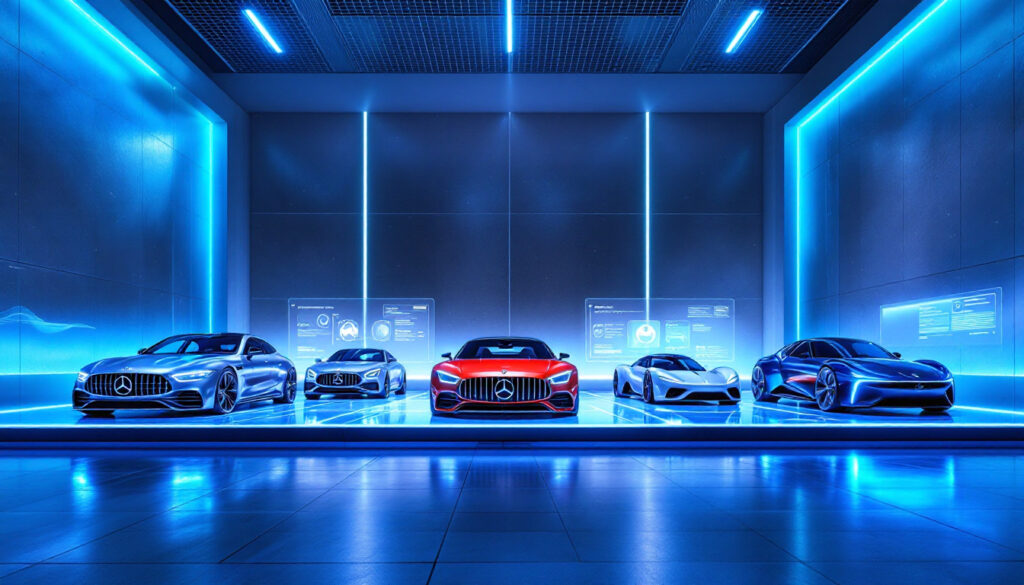

The automotive sector is undergoing a revolution, and Mercedes-Benz is positioning itself as a key player in this transformation. With innovations that define the future of mobility, the German manufacturer plans to launch a wide range of models by 2030. Bold styles, cutting-edge technologies, and a shift towards more sustainable solutions are on the agenda. What can we expect from the upcoming models? A renewed vision, a wide range of choices, and a promise of superior performance.
Mercedes-Benz's commitments to sustainable mobility
Mercedes-Benz has made significant commitments to move towards an electric future. The brand's strategy is to double its range of electric models, with an ambitious goal of 40 new models by 2026. These vehicles will cover all categories, from city cars to SUVs, while integrating hybrid options to cater to a wide range of consumer preferences.
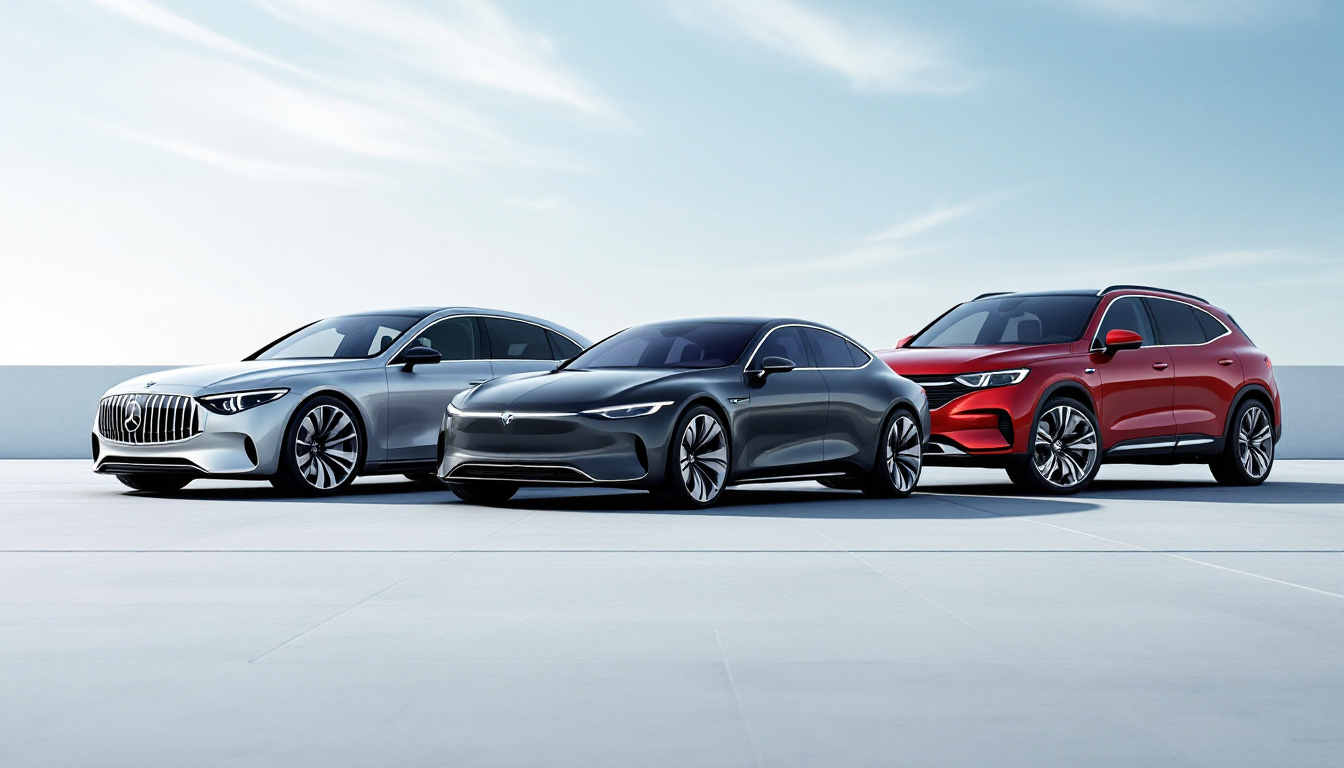
The transition to an electric range involves designing cars that are not only high-performing but also environmentally friendly. The manufacturer emphasizes innovation in battery design, optimizing both range and charging speed. At the same time, efforts are being made to improve the supply chain, which promises a lower environmental impact in terms of production.
- Introduction of 100% electric vehicles
- Development of fast charging technologies
- Commitments to sustainability and emissions reduction
Mercedes has set the goal of becoming one of the leaders in the electric market, competing with giants like Tesla, while continuing its traditional models. This blend of tradition and innovation positions the brand on solid foundations for the years to come.
| Year | Expected electric models | Technological innovations |
|---|---|---|
| 2025 | Class E Electric, EQC 2.0 | Ultra-fast charging |
| 2026 | EQS SUV, EQE SUV | Hydrogen fuel cells |
| 2030 | New Class A Electric | Improved range of 1000 km |
An enriched range: expected flagship models
By 2025, several flagship models from Mercedes-Benz are already captivating the attention of enthusiasts. The upcoming innovations exceed expectations in terms of performance, design, and comfort. The Class C is set to receive significant updates, while the Class A Electric will mark a significant advancement in the city car segment.

The SUV segment, in turn, is also evolving. The development of models like the EQE and the ELS offers excellent competitive positioning against brands like Audi and BMW. These SUVs, combining space, comfort, and performance, are designed to fit a modern lifestyle.
- Class C: elegance and technology
- Class A Electric: the modern city car
- EQE: a fully electric SUV offering exceptional performance
These models are not just cars; they embody a high-end lifestyle, synonymous with luxury and state-of-the-art technology.
| Model | Type | Notable features |
|---|---|---|
| Class C | Sedan | Advanced driver assistance technologies |
| Class A Electric | City car | Fast charging, extended range |
| EQE | Electric SUV | Integration of MBUX technology |
The importance of technological innovations at Mercedes
The future models from Mercedes-Benz do not just incorporate powerful electric motors. They are also equipped with a multitude of technologies that transform the driving experience. The integration of the MBUX infotainment system, capable of learning the driver's preferences, places Mercedes in a good position to compete in the market. This technology allows for unprecedented personalization that minimizes distractions for drivers.
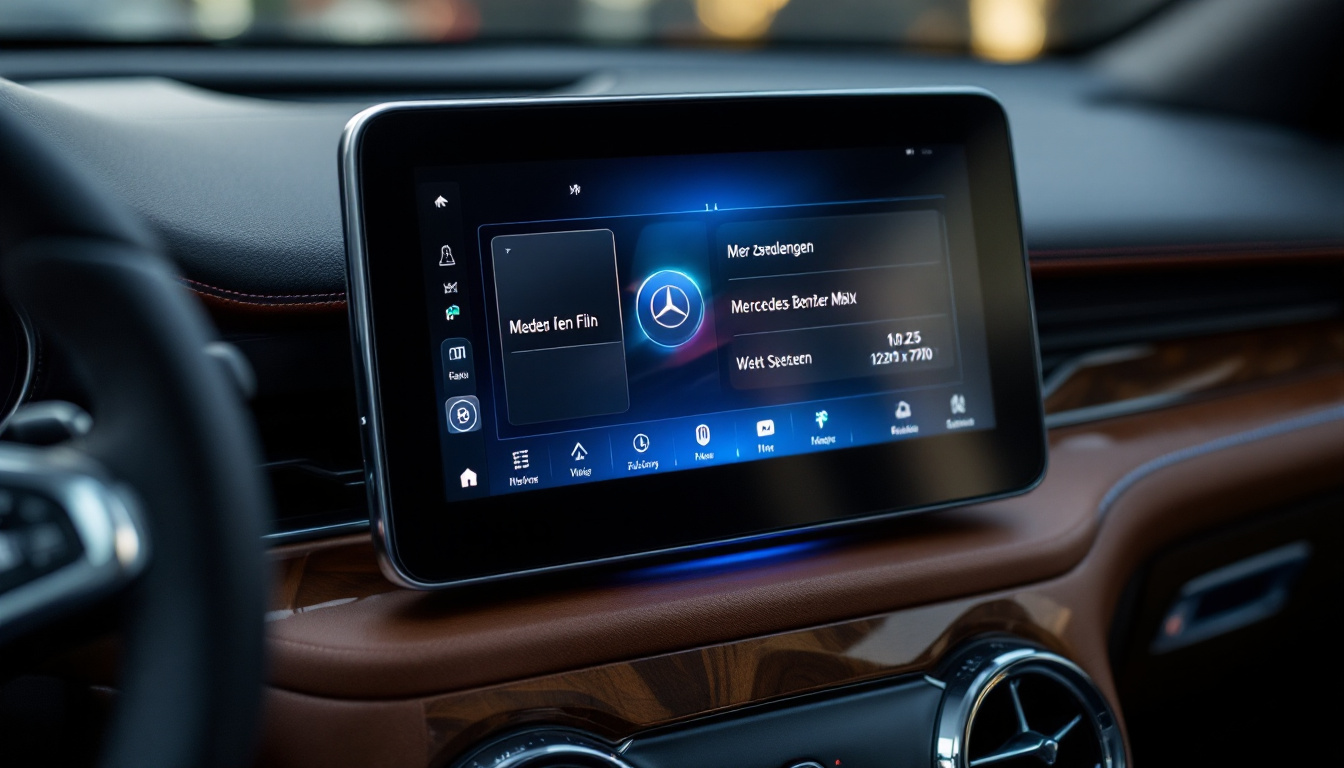
Among the innovations are driver assistance systems that offer semi-autonomous driving. Beyond technology, safety is at the heart of Mercedes' concerns. The brand invests heavily in safety systems to ensure optimal protection for all its passengers.
- Autonomous driving systems (level 2 and beyond)
- MBUX technology for a personalized experience
- Advanced safety assistance systems
These technological innovations, coupled with refined aesthetics and superior performance, make each model unique and desirable.
| Technology | Description | Benefit |
|---|---|---|
| MBUX | Intelligent infotainment system | Personalization of vehicle settings |
| Autonomous driving | Level 2 and beyond | Increased safety and driving comfort |
| Parking assistance | Automated parking | Ease of use in tight spaces |
The challenges ahead for Mercedes and the automotive sector
Despite these promising advancements, the road ahead is not without obstacles. Mercedes-Benz, like other industry players, faces significant challenges, including the semiconductor shortage that has affected vehicle production globally. This situation has slowed the launch of various models, including electric SUVs that are in high demand.

Furthermore, competition from brands like Porsche, Ford, Renault, and Peugeot is intensifying. These companies are presenting innovative models and interesting initiatives in electrification, making competition increasingly fierce. This is a stimulating challenge, pushing Mercedes to constantly reinvent itself.
- Semiconductor shortage impacting production
- Increased competition from well-established brands
- Challenges in sourcing sustainable raw materials
To overcome these obstacles, Mercedes is investing in research and development to find long-term solutions. Resilience and the ability to innovate are essential to navigate this rapidly changing era.
| Challenge | Causes | Consequences |
|---|---|---|
| Semi-conductor shortage | Increase in global demand | Production delays |
| Competitive pressure | New emerging brands and attractive models | Loss of market share |
| Sustainable supply | Limited resources for new materials | Rigidities in the supply chain |
Towards a collaborative and environmentally respectful future
Although many challenges remain, the future of Mercedes-Benz looks promising thanks to its commitment to sustainable development. By collaborating with other companies and supply chain players, the brand seeks to create pivot solutions that can transform the automotive industry. This includes the search for recyclable materials and new manufacturing methods that reduce the carbon footprint inherent in vehicles.
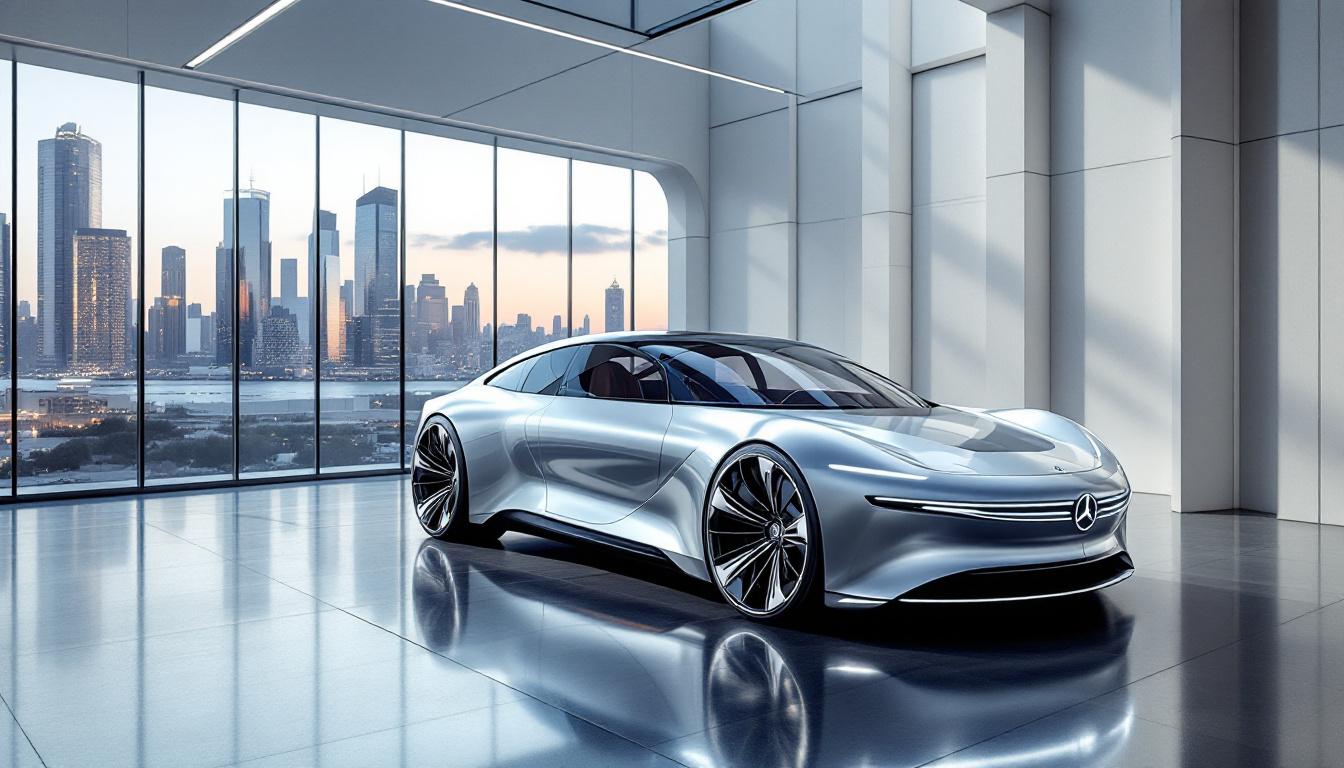
Creating synergies with other brands, such as Volkswagen for the development of charging infrastructure, is also in vogue. Resource sharing paves the way for innovation while promoting a more sustainable ecosystem. By embracing this collaborative approach, Mercedes is taking a proactive stance for a future where sustainable mobility is accessible to all.
- Collaboration for the development of new infrastructures
- Research into eco-friendly materials
- Holistic approach to sustainable mobility
The upcoming innovations and initiatives implemented by Mercedes are not just an increase in production, but an evolution towards a vehicle model that takes the environment into account, meets consumer expectations, and respects the future needs of the planet.
| Collaboration | Objective | Impact |
|---|---|---|
| Volkswagen | Development of charging infrastructure | Improvement of user experience |
| Audi | Research into eco-friendly materials | Reduction of environmental impact |
| Porsche | Joint technological innovation | Improvement of overall performance |
Si vous souhaitez lire d'autres articles tels que Discover the future Mercedes models: an overview of the schedule until 2030, consultez la catégorie Non classé.
-
Lorin Dumaray says:
Mercedes-Benz montre vraiment l'avenir avec ses innovations. C'est excitant de voir où cela va les mener !
-
Mercedes-Benz semble vraiment s'engager pour un futur électrique et éco-responsable, c'est encourageant!
-
Mercedes semble vraiment déterminé à innover et à s'améliorer. Hâte de voir les nouveaux modèles !
Leave a Reply
Articles relatifs