Electric cars and their emissions: real danger or myth?

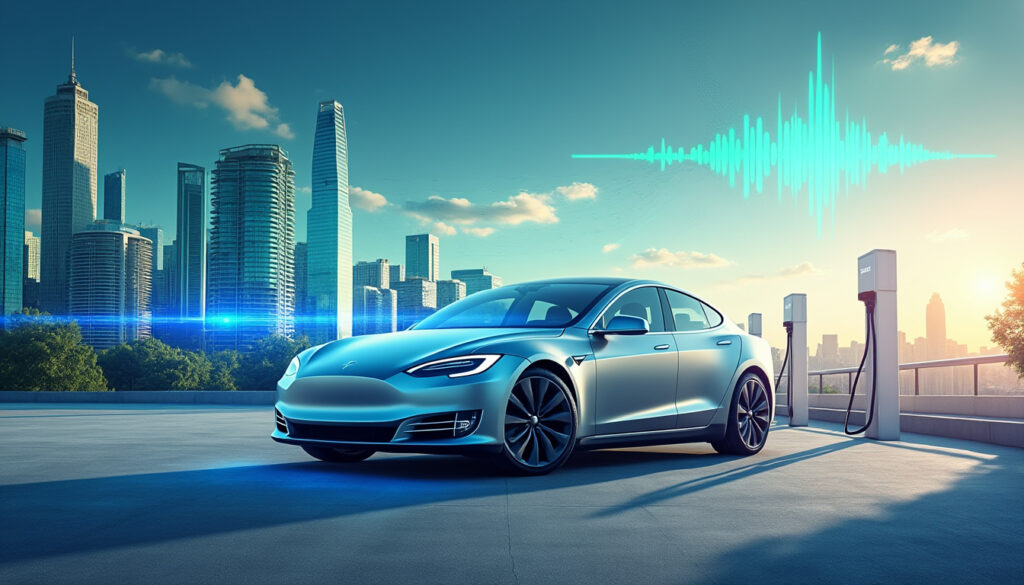

In a world undergoing an energy transition, electric cars appear as the heirs of the future, marked by surprising performance and a promise of eco-responsibility. However, behind this modern image, certain concerns resurface. The electromagnetic radiation emitted by these vehicles raises legitimate questions about their impact on human health. So, is it a real danger, or is it just a myth circulating in forums?
What do scientific studies really say about radiation?
Scientific research on the radiation emitted by electric cars, such as those conducted under the European project EM-SAFETY, provides clear results. The electromagnetic fields measured are well below the thresholds considered dangerous. In fact, exposure inside an electric car only reaches 20% of the limits recommended by the International Commission on Non-Ionizing Radiation Protection (ICNIRP).
- 🌍 Thermal car: about 10% of the limit
- 🔋 Electric car: only 20% of the limit
- 📊 Scientific comparison: favorable results for safety
Data from the Joint Research Centre of the European Commission supports this reassuring picture, dismissing any health risks associated with these technologies.
| Type of vehicle | % exposure to radiation |
|---|---|
| Electric car | 20% |
| Thermal car | 10% |

Comparison of electromagnetic wave exposure levels
To better understand the situation, it is interesting to compare the levels of exposure to electromagnetic waves in electric vehicles with other devices in our daily lives:
- 📱 Smartphone in call: significantly higher exposure
- 🍽️ Microwave oven: higher radiation
- 🧊 Household appliances (refrigerator, washing machine): similar levels
- 📡 Home Wi-Fi: comparable emissions
This perspective illustrates that the magnetic fields generated by these cars are similar to other devices often present in our lives without any concerns.

The charging moment: no confirmed danger
A commonly debated point concerns the charging of electric cars. Does this phase generate disruptive radiation? The answer is reassuring. During these charging sessions, even the fastest ones, exposure remains well within safety standards.
- ⏱️ Fast charging: maximum values respected
- ⚖️ No significant health effects observed
- 💓 Safety for implantable medical devices
Concerns on this subject are unfounded. For example, even individuals equipped with devices such as pacemakers have not reported any interference.
| Element | Type of protection | Function |
|---|---|---|
| Battery | Metal shielding | Containment of electromagnetic fields |
| Cabling | Reinforced insulation | Limitation of electromagnetic leaks |
| Electronic system | Optimized grounding | Dissipation of electrical charges |
Protection measures integrated into electric vehicles
Manufacturers like Tesla, Nissan, Renault, and others such as BMW and Volkswagen have anticipated these concerns. They integrate several levels of protection in vehicle design, ensuring safe use.
The impact of myths on the adoption of electric mobility
Unfounded beliefs, such as those about radiation, can hinder the adoption of technology that offers real environmental benefits. Indeed, these cars help reduce greenhouse gas emissions and improve air quality, especially in urban areas.
- 🌱 Positive environmental impact
- 🚗 Hyundai and Kia leading the transition
- 🏙️ Solutions to current climate challenges
Research shows that the transition to electric cars is safe. By integrating this knowledge, it becomes easy to overcome distrust and benefit from the advantages of this futuristic transportation.
Si vous souhaitez lire d'autres articles tels que Electric cars and their emissions: real danger or myth?, consultez la catégorie Non classé.
-
Lysandre Mistral says:
Les voitures électriques sont vraiment prometteuses, mais il est crucial de dissiper les mythes sur la radiation.
-
Les voitures électriques sont vraiment intéressantes, mais la sécurité face aux radiations mérite d'être discutée.
-
C'est rassurant de savoir que les voitures électriques sont sans danger pour notre santé.
-
Les voitures électriques sont vraiment prometteuses pour un avenir plus vert, sans doute !
Leave a Reply
Articles relatifs